
Road Design
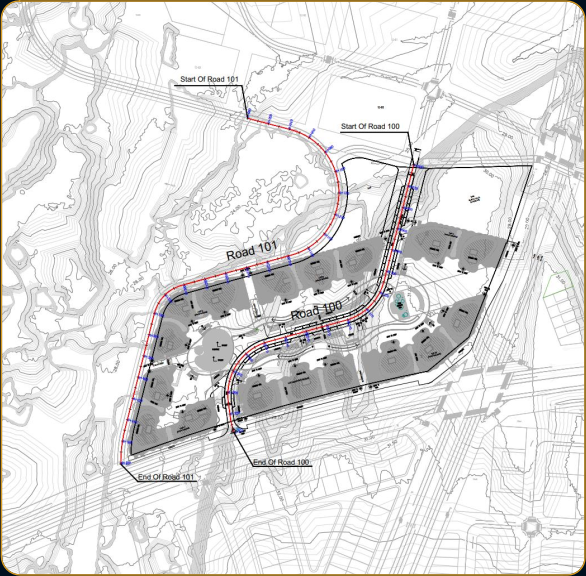
Axiom was engaged to support the development of the road network for Neighborhood 12D within Sultan Haitham City. The assignment focused on creating a safe, reliable, and operationally efficient mobility framework that supports the neighborhood’s long-term development and integration with the wider urban structure.
The scope included the planning and design of primary and secondary access roads, internal streets, intersections, parking areas, and pedestrian circulation routes. The design approach considered existing site conditions, anticipated traffic demand, functional access requirements, constructability, cost-effectiveness, safety, and future expansion needs.
Project Objectives:
- Internal roads and access roads design
- Parking layout and circulation planning
- Pedestrian pathway integration
- Traffic calming and visitor safety measures
- Signage and wayfinding strategy
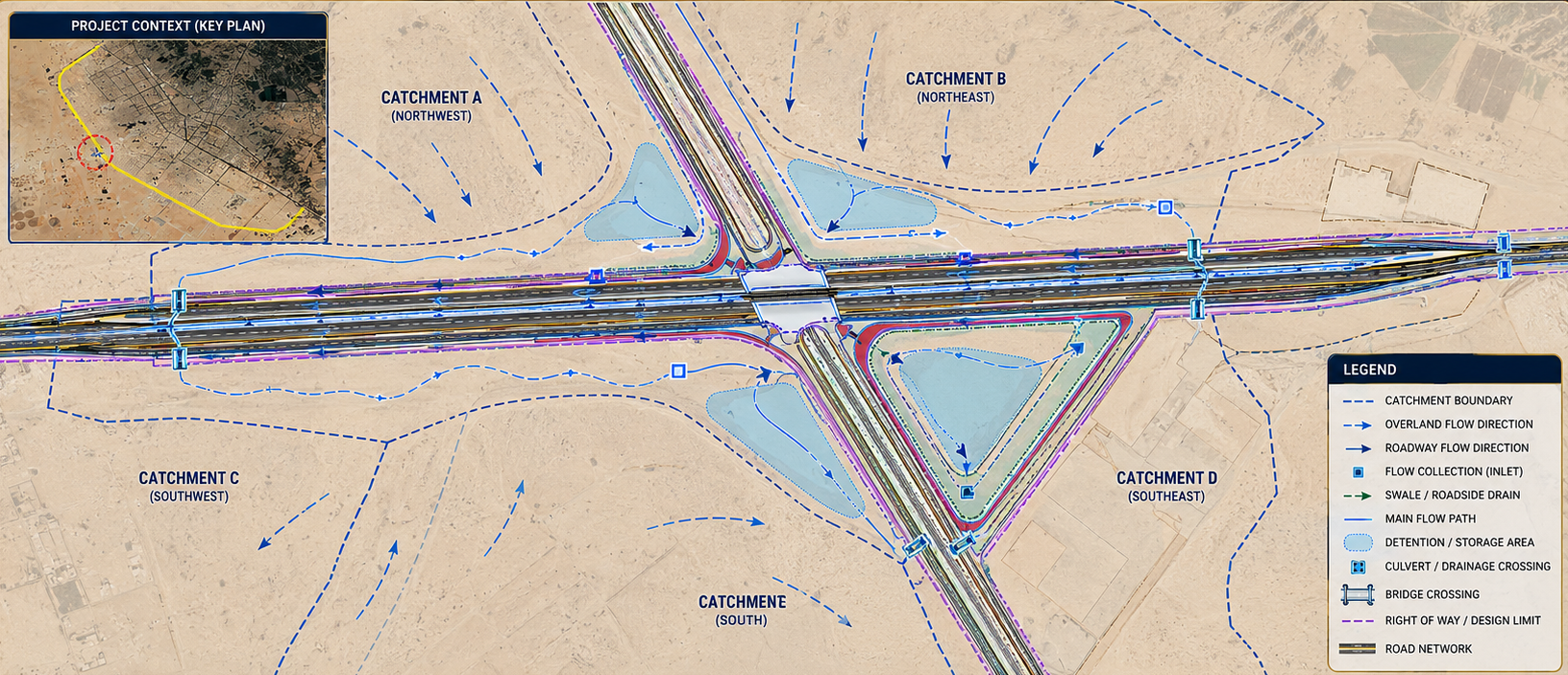
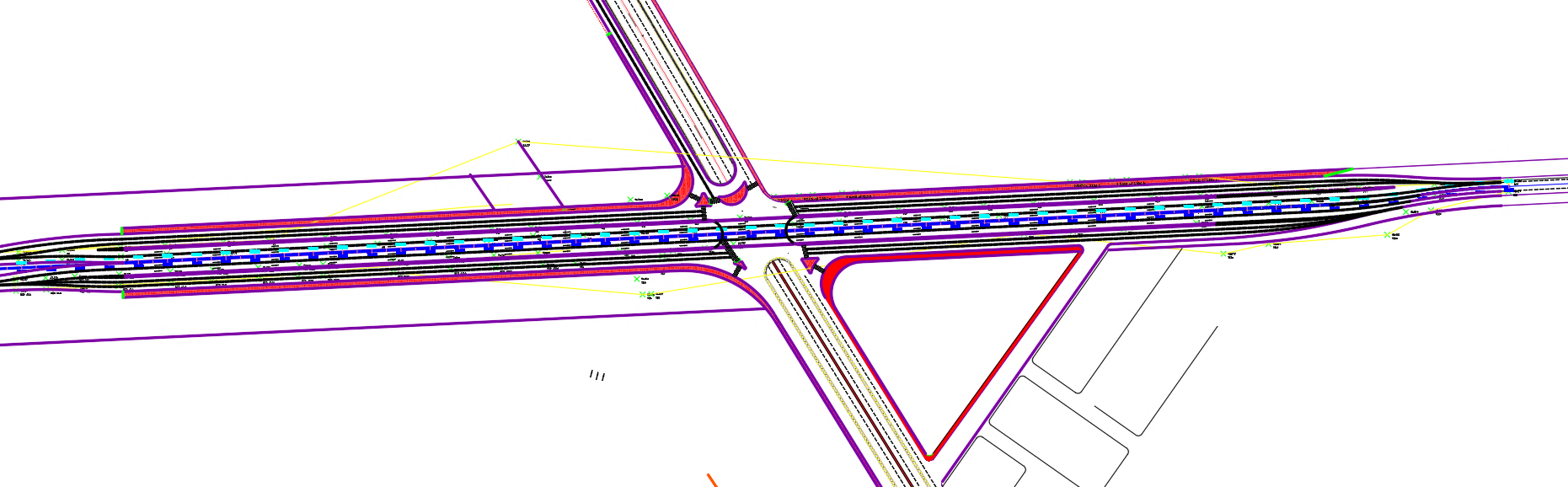
Axiom contributed to the Interchange Design on Karbala Southern Ring Road project, which involved the design of a 3.5 km interchange within the Karbala regional road network. The project included interchange design, bridge design, and hydrology analysis components, aiming to improve traffic flow, strengthen connectivity between major routes, and enhance overall road safety through a well-integrated and resilient road infrastructure solution.
The consultancy services included traffic analysis, interchange planning, geometric design, bridge design coordination, hydrological assessment, and road safety considerations to address the operational, structural, and drainage-related requirements of the corridor. The design supported smoother vehicle transitions, improved regional accessibility, reduced congestion, and contributed to the wider transportation and economic development objectives of the Karbala region.
Project Objectives:
- Interchange planning and layout development
- Bridge design and structural coordination
- Hydrology analysis and drainage-related review
- Traffic analysis and operational assessment
- Geometric design of interchange elements
- Road safety and movement conflict review
- Integration with the Karbala Southern Ring Road
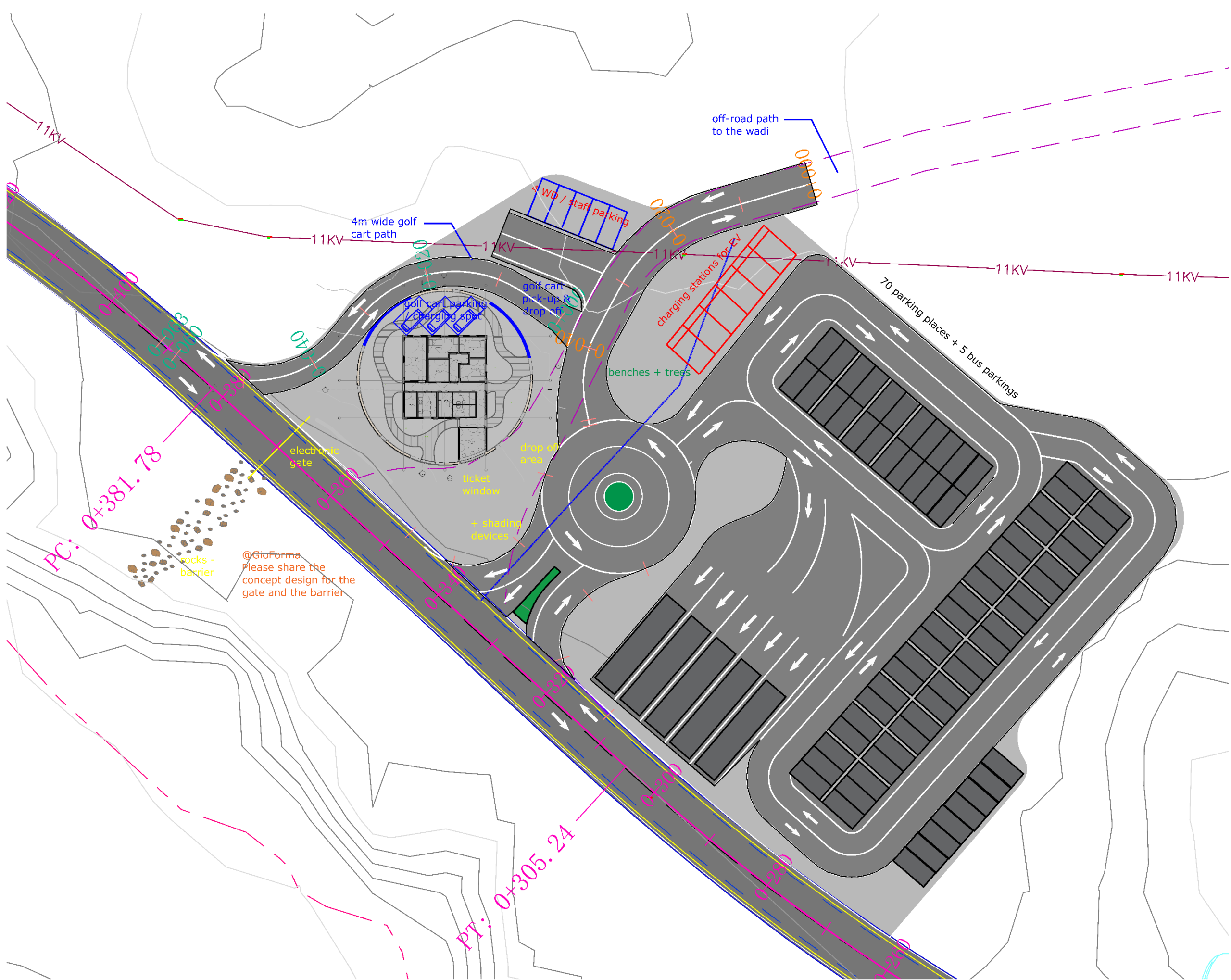
Axiom contributed to the road design for the Wadi Dawkah Visitor Experience Center, with the objective of creating a safe, efficient, and sustainable transportation network that supports the center’s operations and enhances visitor accessibility. The design process considered site topography, traffic flow requirements, pedestrian movement patterns, environmental constraints, and the sensitive cultural and natural context of the Wadi Dawkah area.
The scope included the design of access roads, parking facilities, pedestrian pathways, circulation routes, traffic calming measures, and clear signage strategies. The road design aimed to minimize congestion, improve visitor movement, support safe and comfortable access, and provide transportation infrastructure that complements the natural and cultural significance of Wadi Dawkah.
Project Objectives:
- Access roads design
- Parking layout and circulation planning
- Pedestrian pathway integration
- Traffic flow and internal movement review
- Traffic calming and visitor safety measures
- Signage and wayfinding strategy
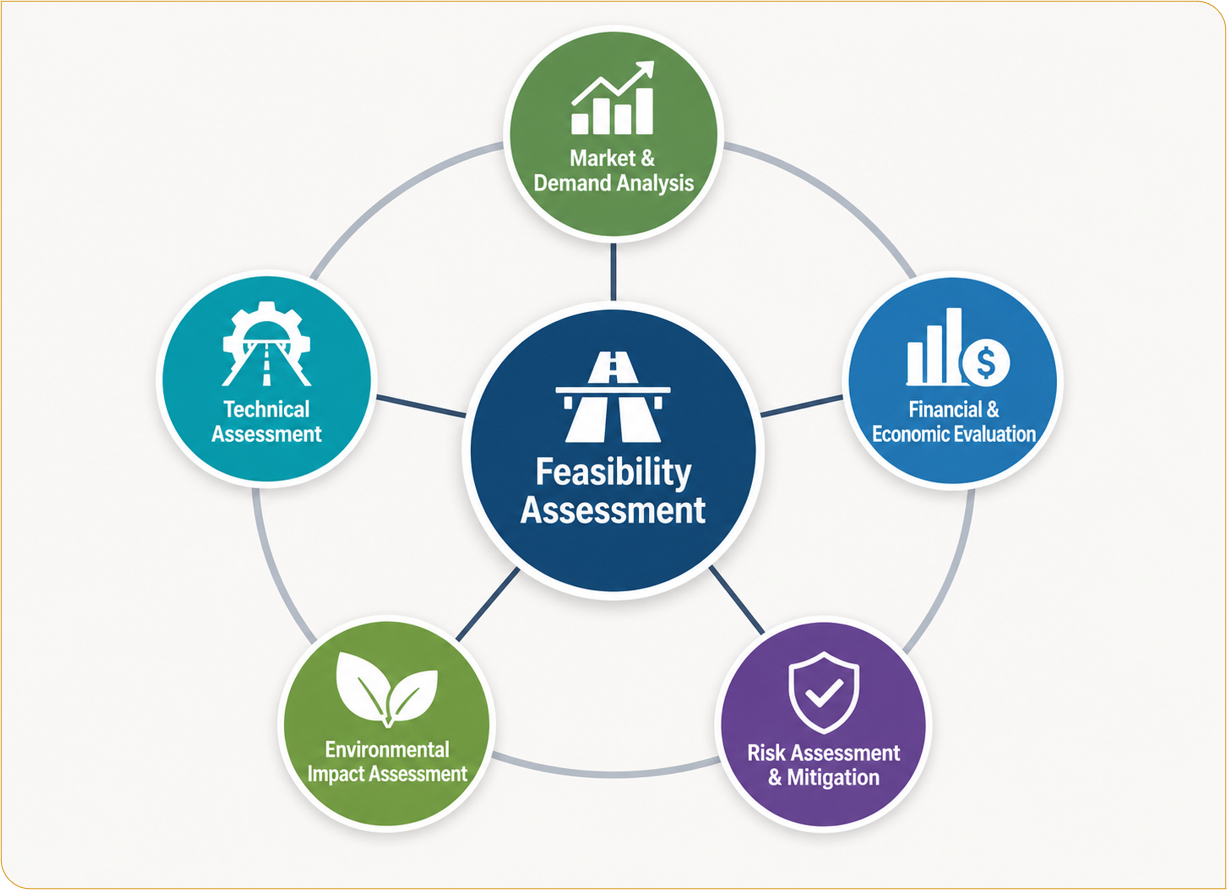
The Feasibility Study for Freeways project assessed the viability of four major freeway corridors in Iran: Arak–Qom, Andimeshk–Ahwaz, Tehran–North Lot 3, and Shiraz–Bushehr, with a combined length of approximately 570 km. The study focused on evaluating foreign and domestic investment opportunities, together with the economic, technical, and environmental feasibility of these strategic transportation corridors.
The assessment covered market research, cost–benefit evaluation, risk assessment, traffic demand projections, financial modeling, and environmental impact considerations. The study provided stakeholders with informed recommendations on investment strategies and project implementation, supporting regional connectivity, economic growth, and sustainable infrastructure planning.
Project Objectives:
- Feasibility assessment of four freeway corridors
- Cost–benefit evaluation and financial modeling
- Future traffic demand and growth assessment
- Environmental impact and sustainability review
- Market research and strategic transport demand review
- Risk assessment and implementation considerations
- Investment strategy and stakeholder decision support
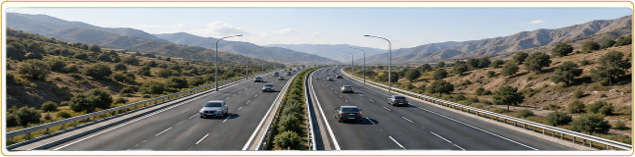
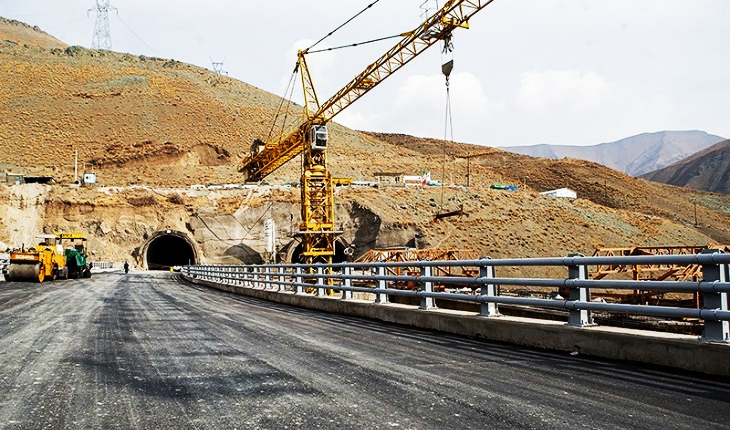
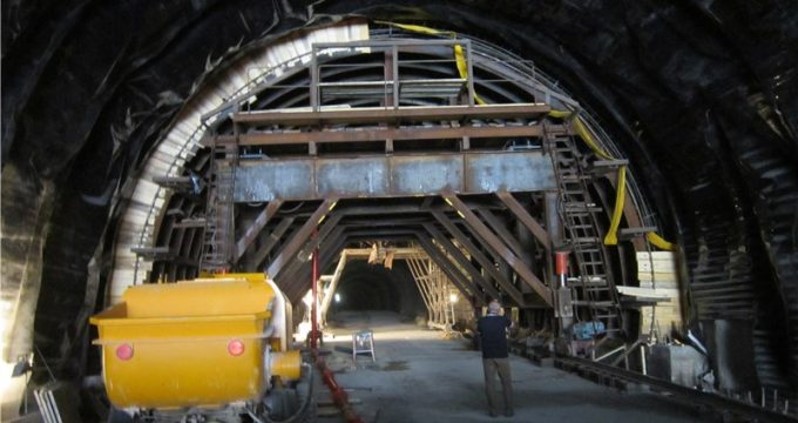
Axiom contributed to the Design and Supervision of Tehran–North Freeway Section II, a major 65 km multidisciplinary freeway infrastructure project connecting Tehran with the northern regions of Iran. The project required comprehensive engineering services across road design, tunnel engineering, bridge design, hydrology and hydraulic studies, geotechnical assessment, and construction-stage supervision.
The consultancy services included freeway alignment review and optimization, geometric design, tunnel and bridge engineering coordination, hydrological and hydraulic assessment, drainage and flood-related design considerations, and geotechnical review of ground and slope conditions. The assignment also covered supervision during construction to ensure compliance with design specifications, quality control requirements, safety standards, and technical performance objectives. The project supported the delivery of a strategic high-capacity corridor improving connectivity between Tehran and northern Iran.
Project Objectives:
- Tunnel engineering and tunnel interface review
- Bridge design and structural coordination
- Geometric design optimization
- Hydrology and hydraulic studies
- Drainage and flood-related design considerations
- Geotechnical assessment and protection strategy review
- Construction-stage supervision and quality control support

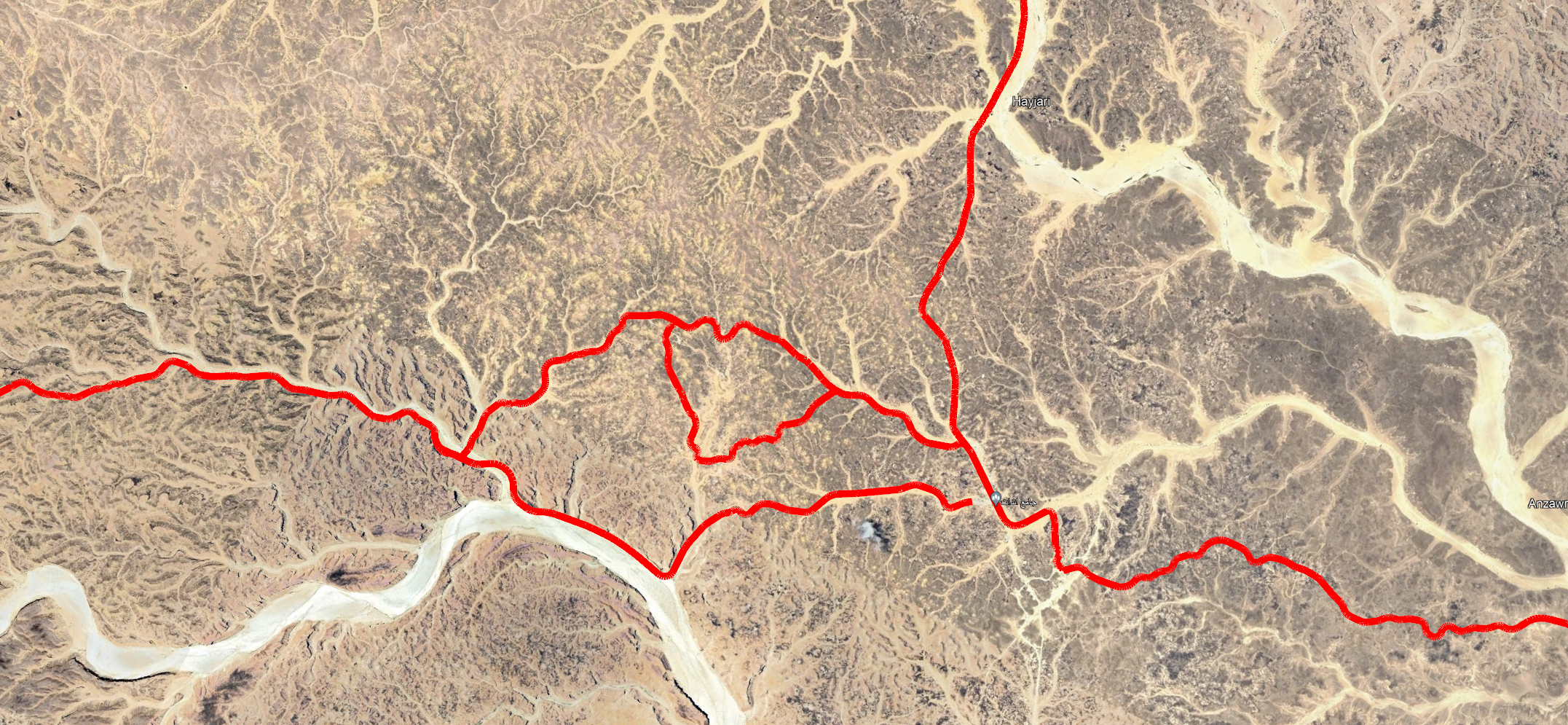
Axiom contributed to the Salalah–Harweeb Road project, officially titled Consultancy Services for Harweeb Andat Road, a strategic transportation initiative in Oman focused on developing a 29 km road link between Salalah and the remote areas of Harweeb and Andat. The project was intended to enhance accessibility and connectivity to underserved southern regions of Oman, supporting regional mobility, economic development, trade routes, tourism, and improved access to essential services within Dhofar Governorate.
The consultancy services covered key pre-construction activities, including feasibility studies, environmental assessment, route alignment review, preliminary road design, and preparation of tender documentation. The work also included technical support for the early stages of construction to help ensure that the new road meets technical and safety standards, minimizes environmental impacts, and can be implemented efficiently and sustainably.
Project Objectives:
- Route alignment review and optimization
- Preliminary road design and technical assessment
- Feasibility study support
- Environmental assessment and impact minimization
- Road safety and technical standards review
- Tender documentation preparation
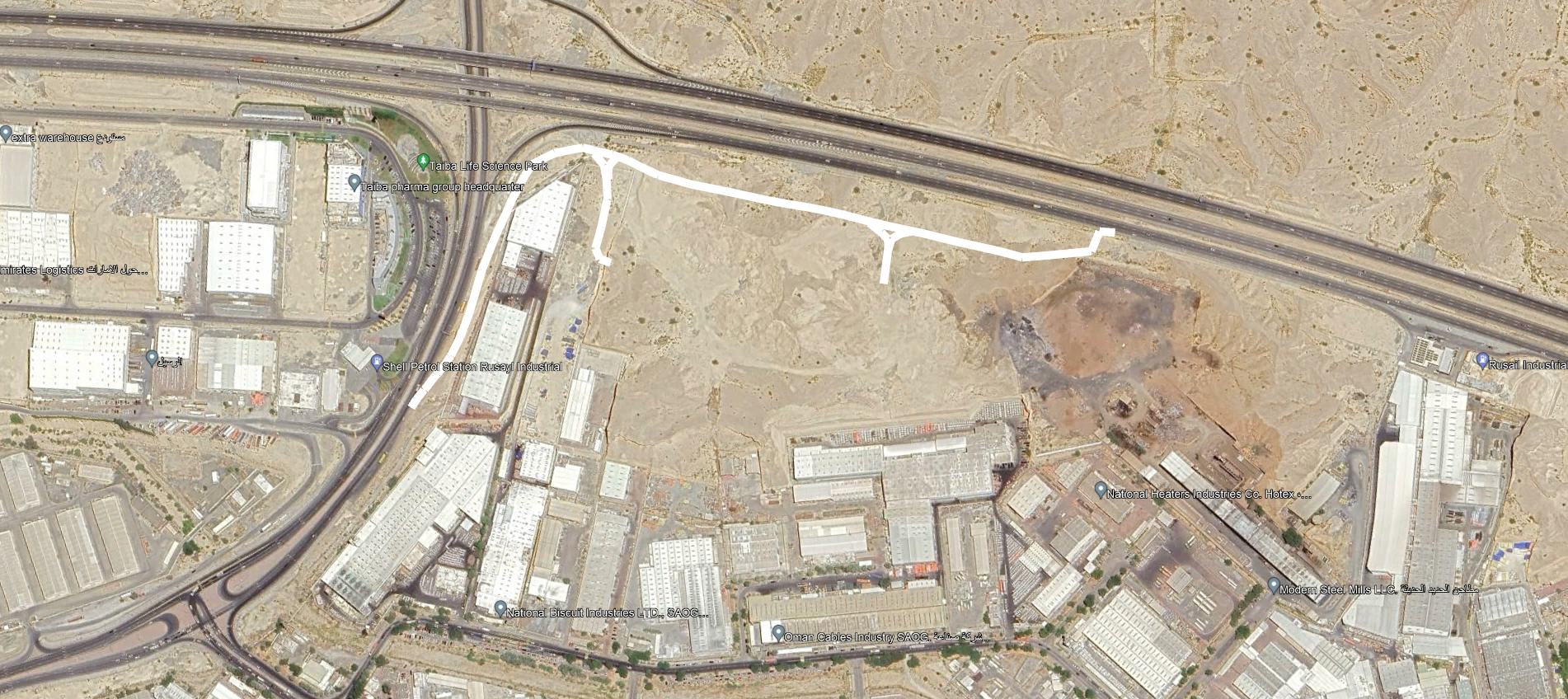
Axiom contributed to the Madayn – Rusayl Industrial City project, an infrastructure enhancement assignment within one of Oman’s key industrial zones. The project covered a 3 km area and was developed to support the Plug and Play initiative through modern, functional, and sustainable industrial facilities.
The consultancy scope included Environmental Impact Assessment (EIA), internal road design, and hydraulic study for water and drainage management. The work supported regulatory compliance, improved infrastructure functionality and safety, and contributed to attracting investment, strengthening industrial development, and supporting Oman’s economic diversification and sustainable industrial growth.
Project Objectives:
- infrastructure enhancement for a 3 km industrial area
- Internal road design
- Hydraulic study for water and drainage management
- Environmental Impact Assessment
- Regulatory compliance support
- Technical input for Plug and Play industrial development
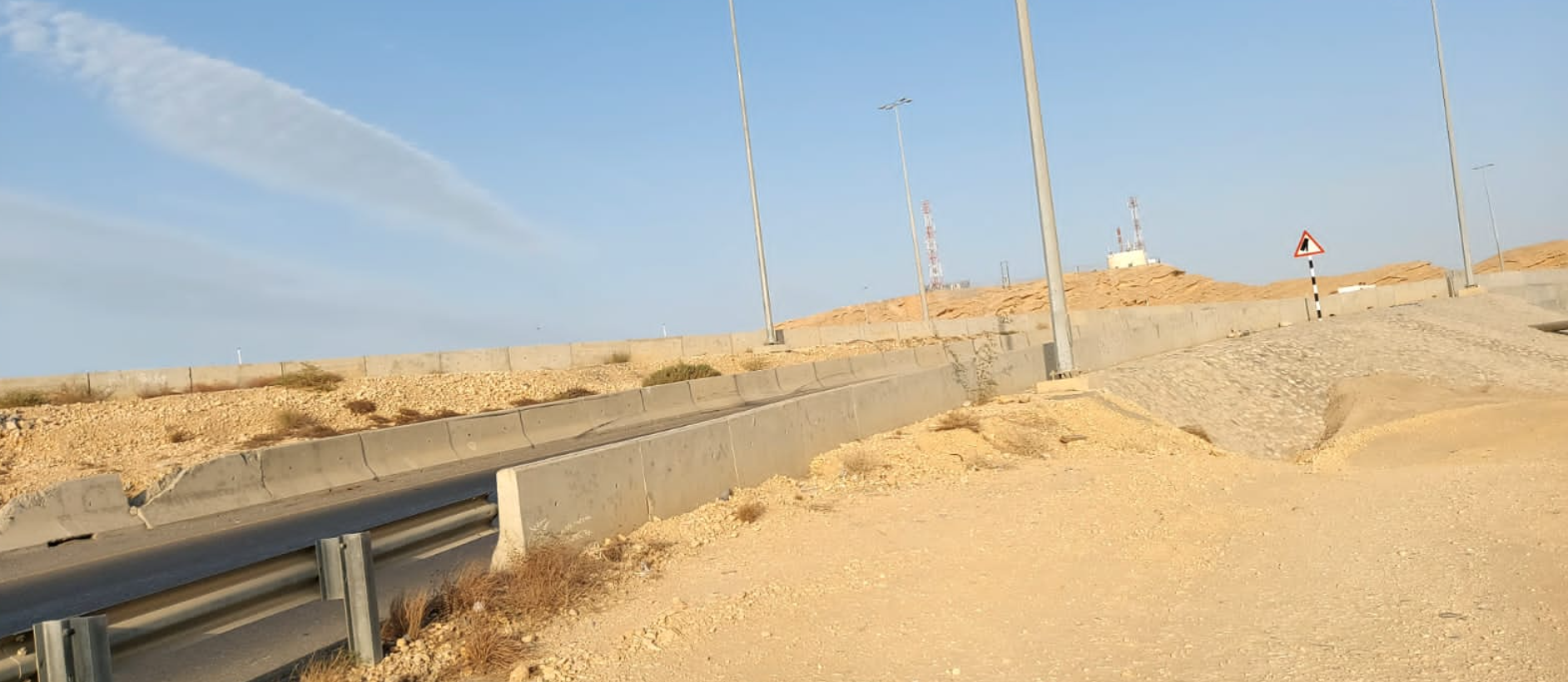
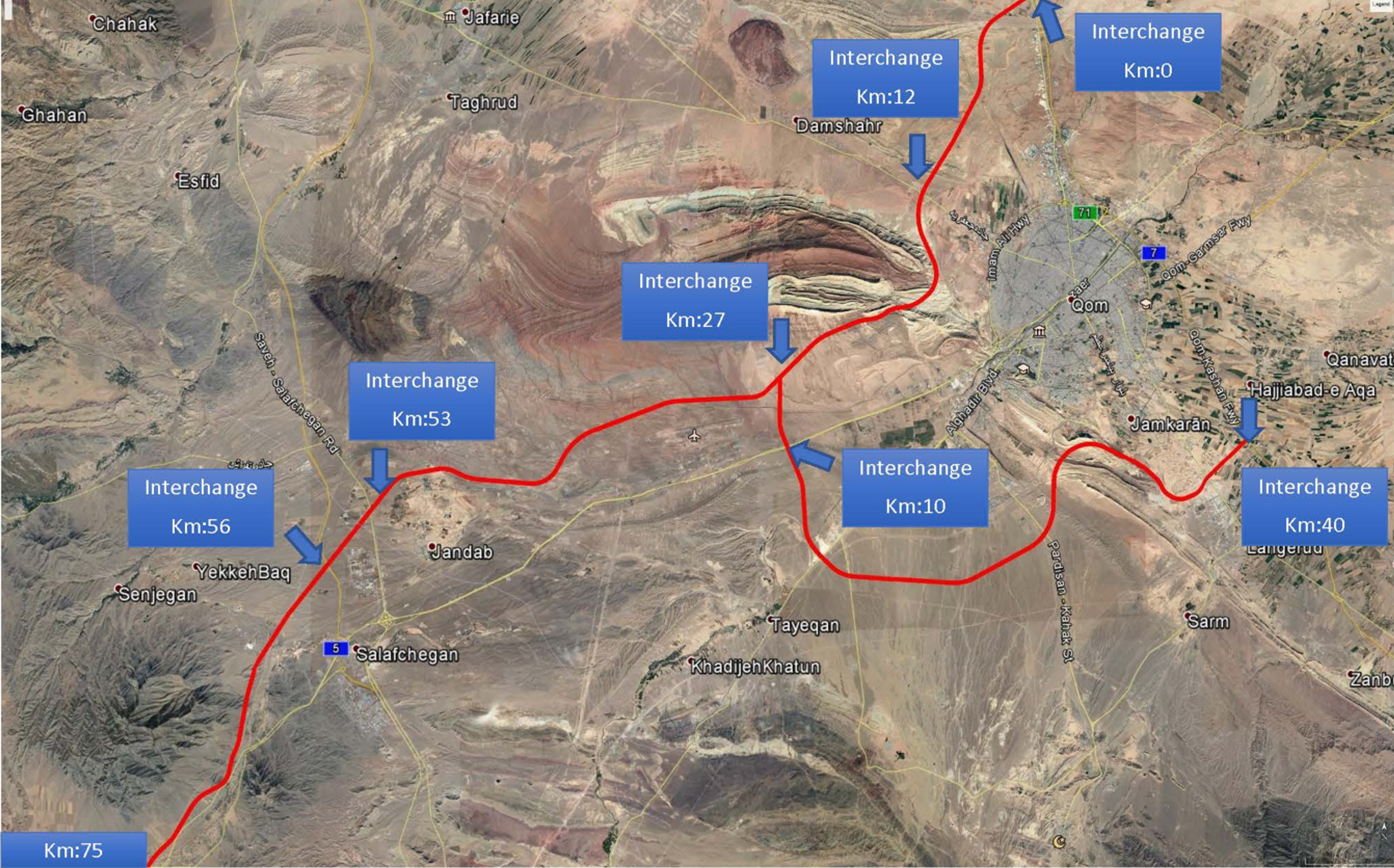
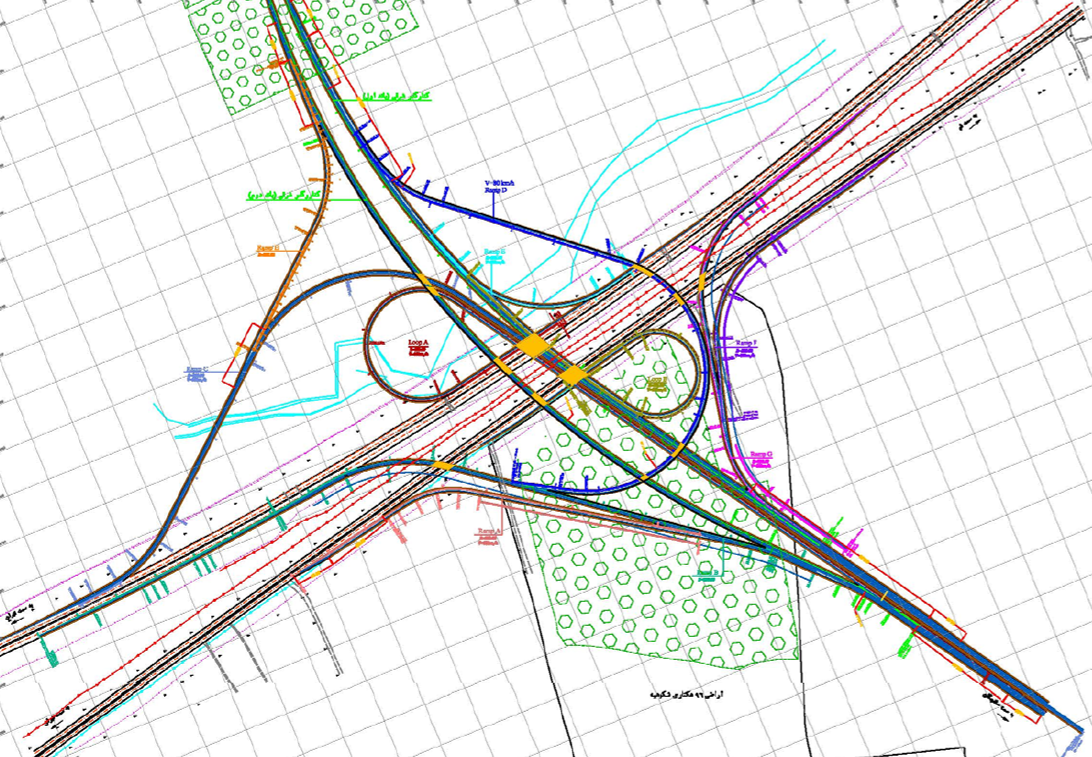
The Qom–Salvechegan Highway is a strategic 74 km regional corridor in Iran, carrying more than 50,000 vehicles per day and serving as a vital freight and transit route. Due to heavy traffic loads, the project adopted advanced rigid concrete pavement technology to enhance durability and long-term performance.
Delivered under an EPC / Design-and-Build framework, the project included 8 major intersections and a complex interchange constrained by an active industrial city, factory access lines, and a nearby river. Through integrated traffic engineering, hydrological assessment, alignment optimization, and stakeholder coordination, the design team developed an efficient and constructible solution that minimized industrial disruption while addressing environmental, hydraulic, and structural constraints. The approved project is currently under construction.
Project Objectives:
- Road preliminary Design
- Bridge design and structural coordination
- Road detailed design optimization
- Hydrology and hydraulic studies
- Geotechnical assessment and protection design
- Drainage and flood-related design considerations
- Construction-stage supervision and quality control support
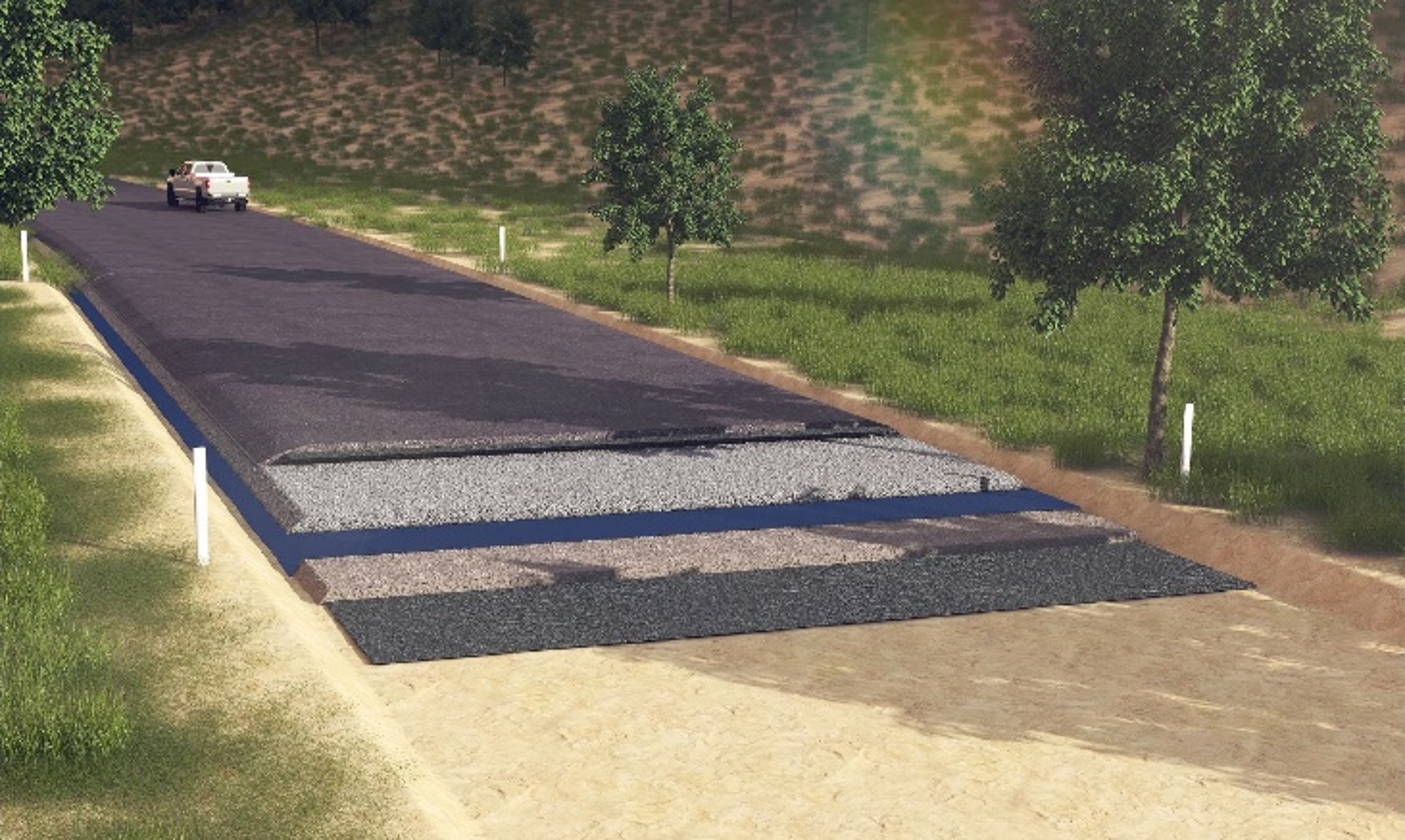
Axiom contributed to the Bengbis–Ekong Road — Pre-Tender project, officially titled Design and Upgrade of the Bengbis–Ekong Road Pavement. The assignment involved the assessment and pre-tender design support for the upgrade of an 821 km road corridor between Bengbis and Ekong in Cameroon, with the objective of improving pavement durability, safety, operational performance, and long-term serviceability.
The pre-tender phase focused on reviewing existing road conditions, identifying required pavement improvements, evaluating structural requirements, traffic loading, and environmental factors, and developing detailed design specifications for the pavement upgrade. The project aimed to provide a smoother, safer, and more reliable road corridor that reduces maintenance needs, improves road efficiency, supports local transportation, and contributes to economic activity along the route.
Project Objectives:
- Existing road and pavement condition review
- Traffic loading and operational demand consideration
- Environmental factor review
- Development of detailed pavement design specifications
- Structural requirement and pavement performance assessment
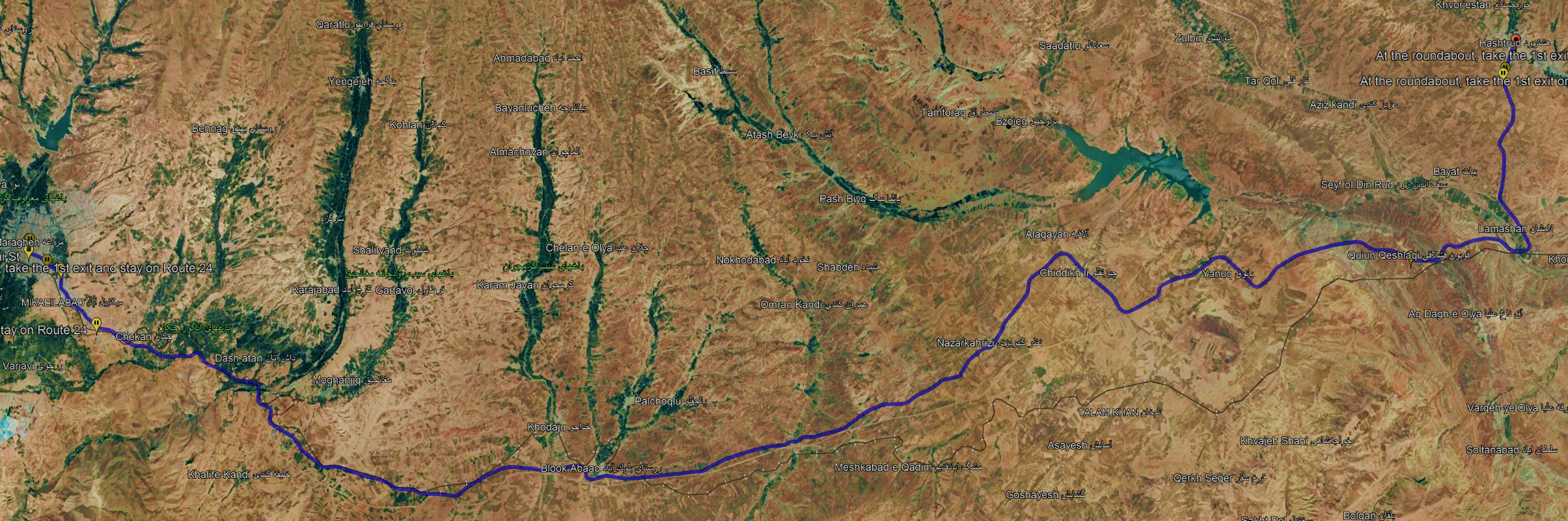
Axiom contributed to the Maragheh–Hashtroud Freeway project, officially titled Consultancy Services for Design and Supervision of Maragheh–Hashtroud Freeway. The assignment involved the design and supervision of a 101 km freeway corridor connecting Maragheh and Hashtroud, with the objective of enhancing regional connectivity, improving transportation efficiency, and supporting economic development through a high-capacity roadway link.
The consultancy services included detailed freeway design, alignment optimization, safety feature integration, and coordination with existing infrastructure. The work also included supervision during the construction phase to ensure compliance with design specifications, engineering standards, and quality control requirements. The project supported the delivery of a safe, reliable, and efficient transportation route, reducing travel time and improving connectivity between Maragheh, Hashtroud, and the wider regional road network.
Project Objectives:
- Road preliminary Design
- Bridge design and structural coordination
- Road detailed design optimization
- Hydrology and hydraulic studies
- Geotechnical assessment and protection design
- Drainage and flood-related design considerations
- Construction-stage supervision and quality control support
Axiom contributed to the Bengbis–Ekong Road — Pre-Tender project, officially titled Design and Upgrade of the Bengbis–Ekong Road Pavement. The assignment involved the assessment and pre-tender design support for the upgrade of an 821 km road corridor between Bengbis and Ekong in Cameroon, with the objective of improving pavement durability, safety, operational performance, and long-term serviceability.
The pre-tender phase focused on reviewing existing road conditions, identifying required pavement improvements, evaluating structural requirements, traffic loading, and environmental factors, and developing detailed design specifications for the pavement upgrade. The project aimed to provide a smoother, safer, and more reliable road corridor that reduces maintenance needs, improves road efficiency, supports local transportation, and contributes to economic activity along the route.
Project Objectives:
- Existing road and pavement condition review
- Traffic loading and operational demand consideration
- Environmental factor review
- Development of detailed pavement design specifications
- Structural requirement and pavement performance assessment
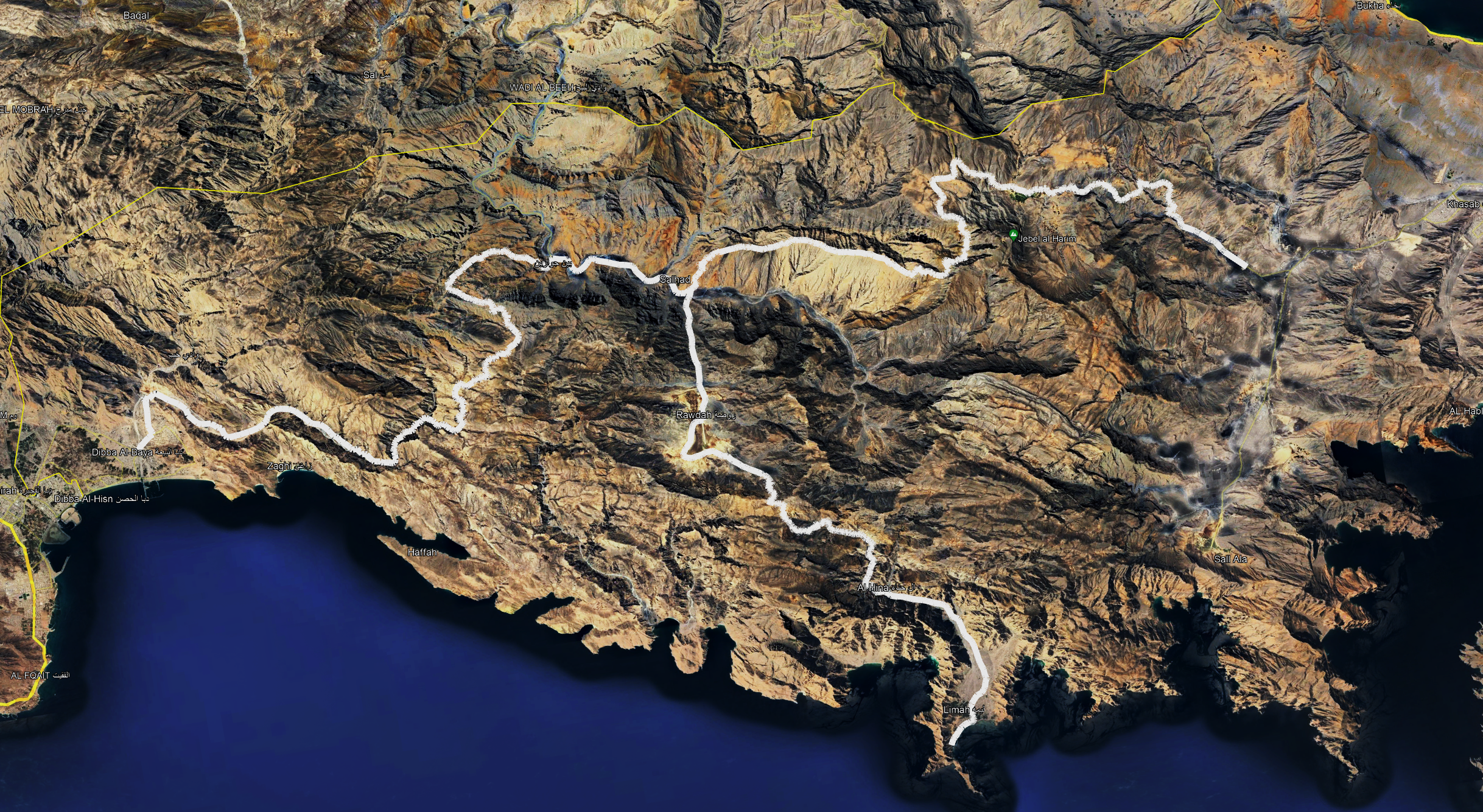
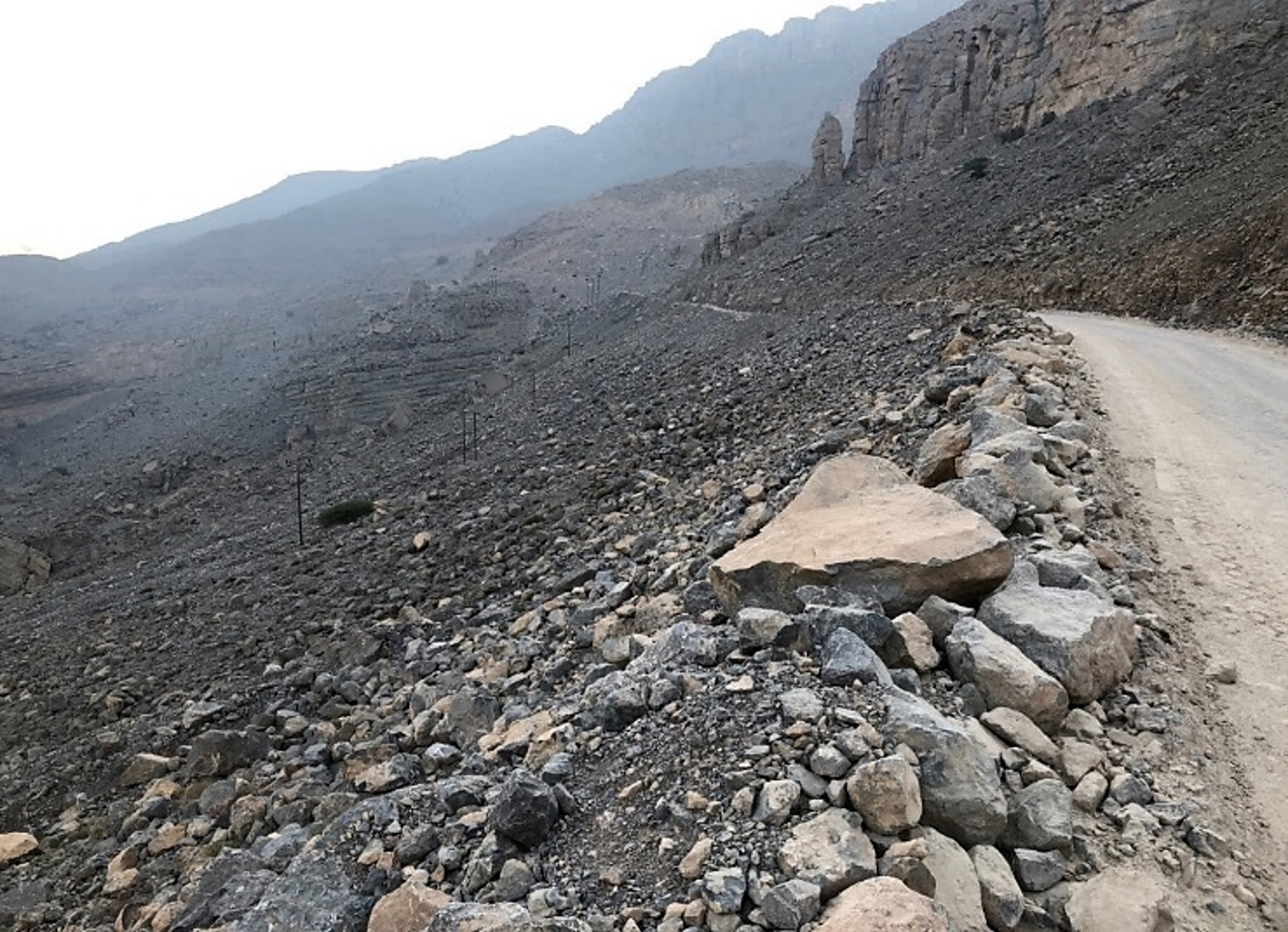
Axiom contributed to the Khasab–Lima–Daba Asphalt Road project in Musandam Governorate, Oman, officially titled Consultancy Services for Technical Support During the Pre-Tender Design for the Construction. The project involved the development of a 120 km asphalt road connecting the towns of Khasab, Lima, and Daba, with the objective of improving regional connectivity, road safety, accessibility, and economic development within one of Oman’s most geographically challenging regions.
The Study focused on technical support during the pre-tender design phase, including detailed site surveys, road design input, assessment of environmental and social impacts, and preparation of comprehensive tender documentation. The work aimed to support a robust, sustainable, and high-quality road design capable of responding to the mountainous terrain of Musandam while complying with environmental requirements.
Project Objectives:
- Pre-tender technical support
- Detailed site survey support
- Road design input and technical review
- Environmental and social impact assessment support
- Mountainous terrain and alignment design considerations
- Tender documentation preparation
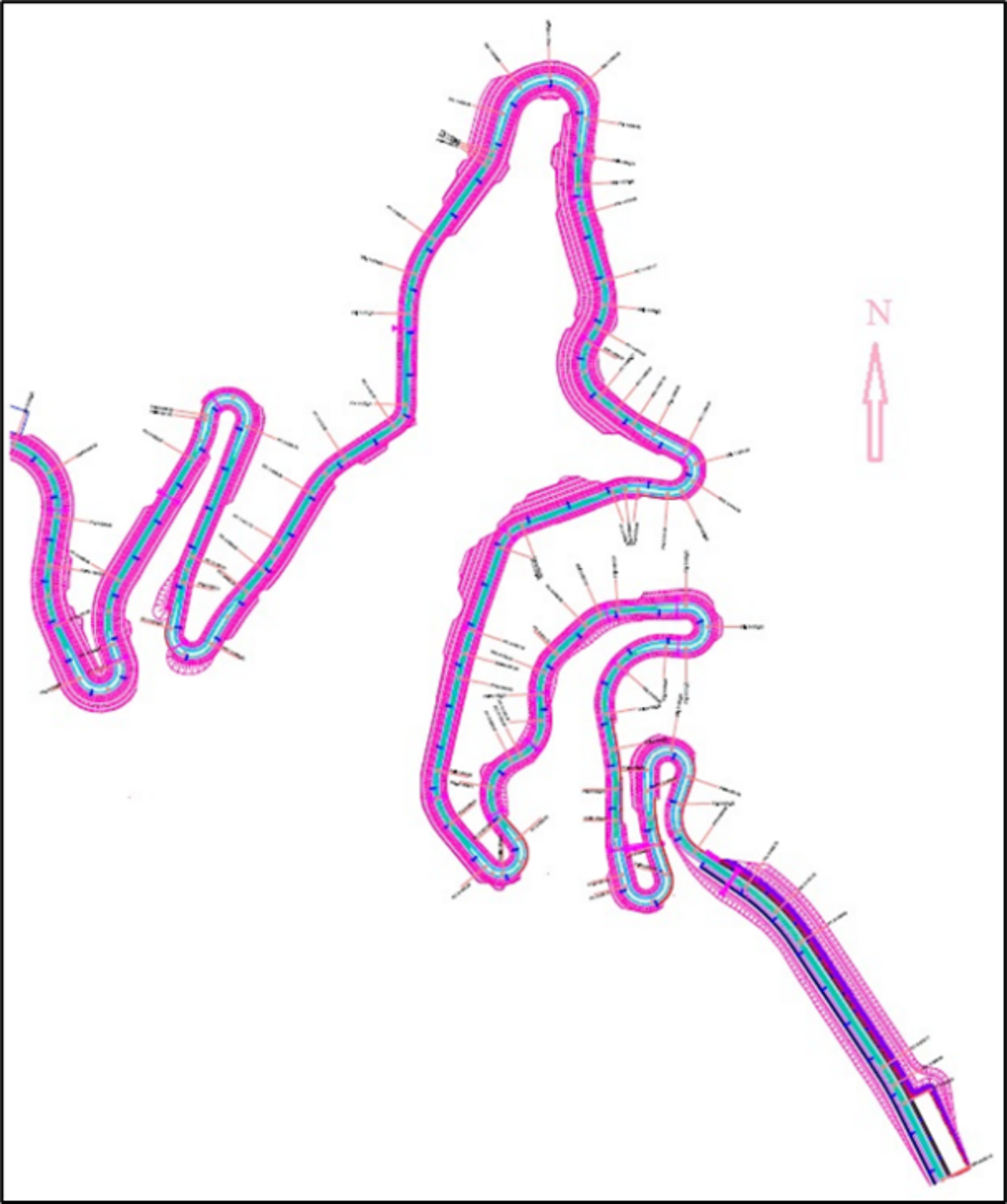
Axiom contributed to the Kumzar Road project in Musandam Governorate, Oman, officially titled Completion of Remaining Works for Land Reclamation for Future Development Purposes at Kumzar, Musandam. The assignment covered 4.6 km of works focused on completing land reclamation and preparing the groundwork for future infrastructure development in the remote village of Kumzar.
The project aimed to improve accessibility and support future residential, commercial, and public facilities in an area where strategic coastal location, challenging terrain, and limited access have historically constrained development opportunities. The work also supported improved resilience of local infrastructure against coastal erosion and flooding, while contributing to long-term socio-economic development, better integration with the rest of Musandam and Oman, and improved quality of life for the Kumzar community.
Project Objectives:
- Coastal access and land reclamation works
- Completion of remaining land reclamation activities
- Infrastructure preparation for future development
- Resilience review against coastal erosion and flooding
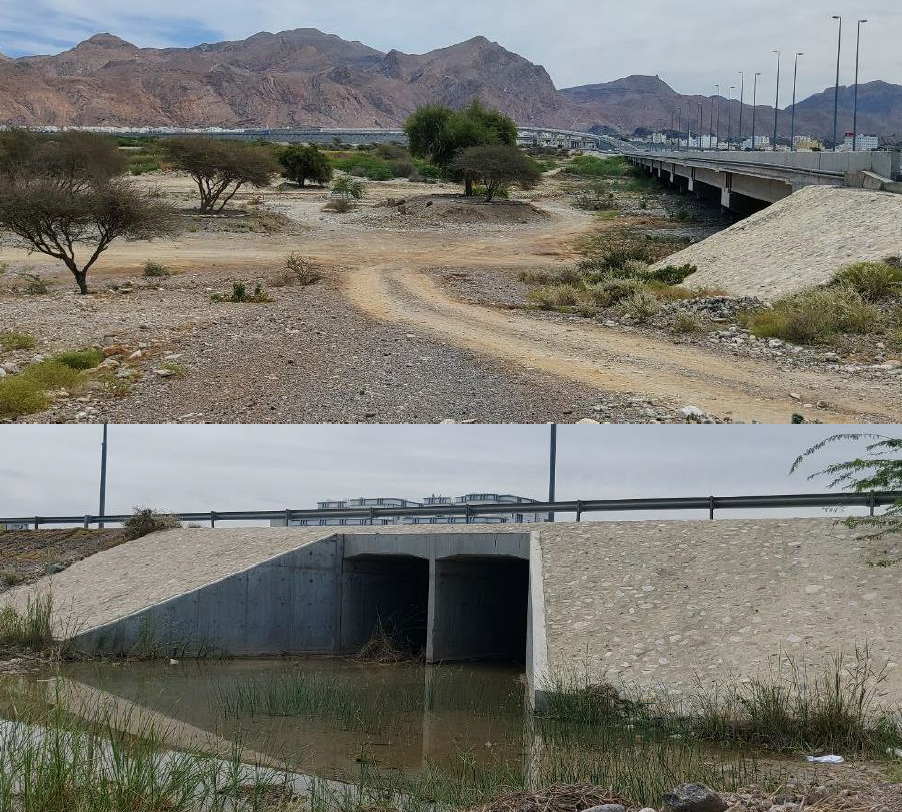
Axiom contributed to the Amerat Road – East Trading Complex project, which involved access road design for the new trading complex in Amerat, Oman. The assignment covered approximately 1.1 km of access road infrastructure, with the objective of ensuring smooth traffic flow, safe access, and efficient connectivity between the development and Amerat Road.
The scope included evaluation of current traffic conditions, forecasting of future traffic volumes, identification of required road improvements, and design of well-integrated access roads. The access design considered optimal alignment, internal circulation, safety measures, and seamless connection to the surrounding road network. The project supported improved infrastructure quality, better site accessibility, mitigation of traffic challenges, and enhanced transportation performance in the area.
Project Objectives:
- Internal road and circulation planning
- Connectivity assessment to Amerat Road
- 1.1 km access road design
- Access alignment and safety measure development
- Signage and wayfinding strategy
- Tender documentation preparation
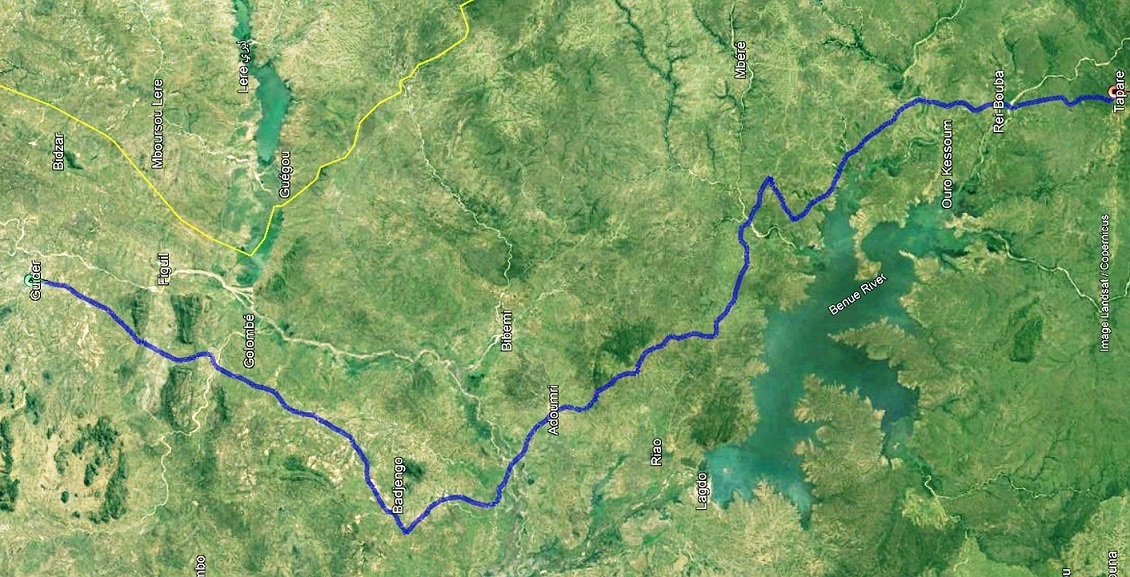
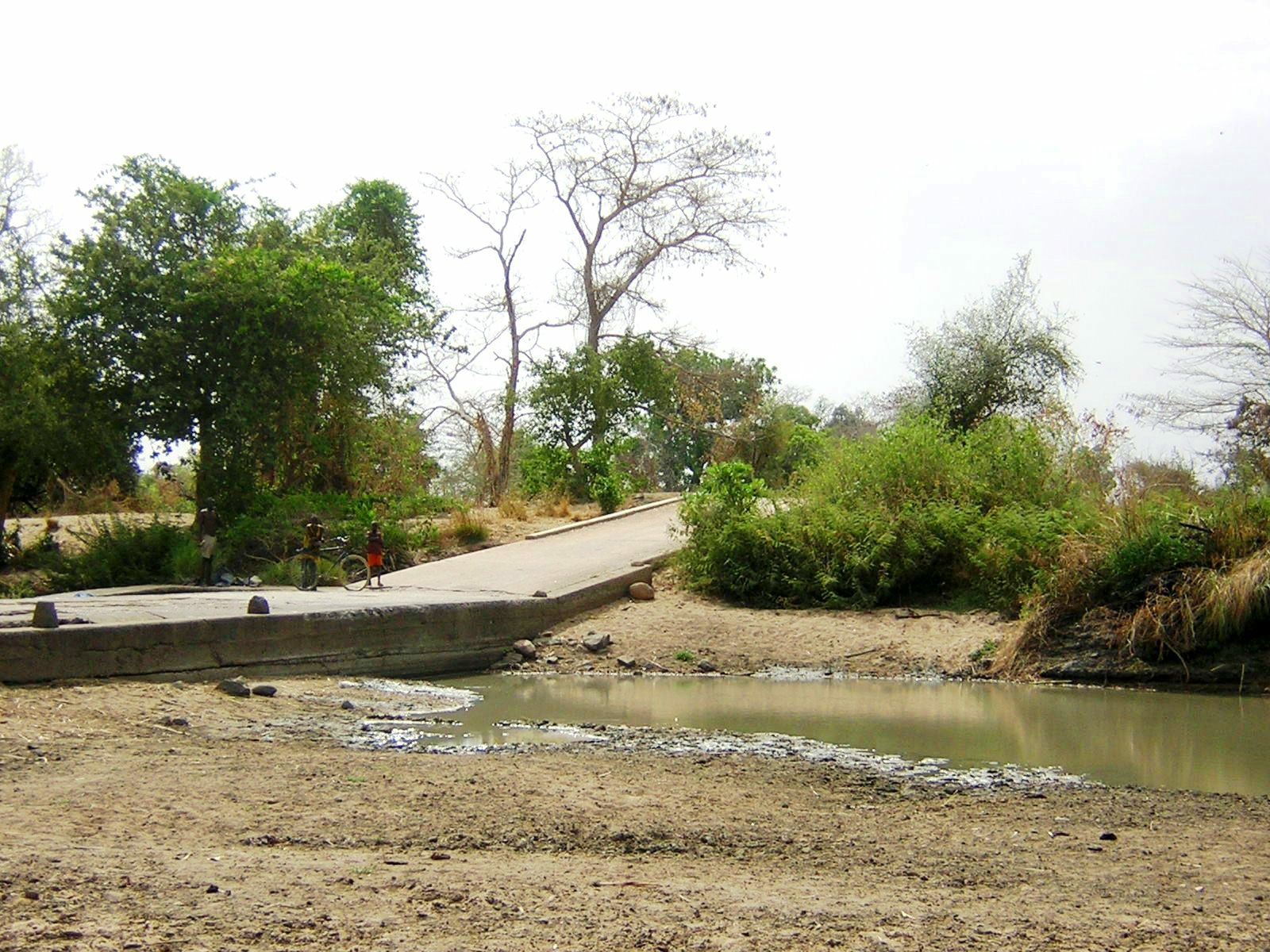
Axiom contributed to the Guidjira–Tapare Road Design — Pre-Tender project, officially titled Design and Construction of the Guidjira–Tapare Road. The assignment involved pre-tender planning and design support for a 227 km roadway connecting the towns of Guidjira and Tapare in Cameroon. The project aimed to improve regional connectivity, support local development, enhance economic opportunities, and provide a reliable transportation link between the two towns.
The pre-tender phase included detailed planning and design activities to establish the technical foundation for future construction. The scope covered preparation of comprehensive design documents, feasibility studies, and technical specifications to ensure that the road meets required standards and responds to local transportation needs. The design also considered local environmental conditions, traffic demand, durability, and long-term operational performance to support sustainable infrastructure growth in the region.
Project Objectives:
- Feasibility study and planning support
- Traffic loading and operational demand consideration
- Environmental factor review
- Preparation of technical specifications
- Road durability and performance considerations
- Support for regional connectivity and economic development
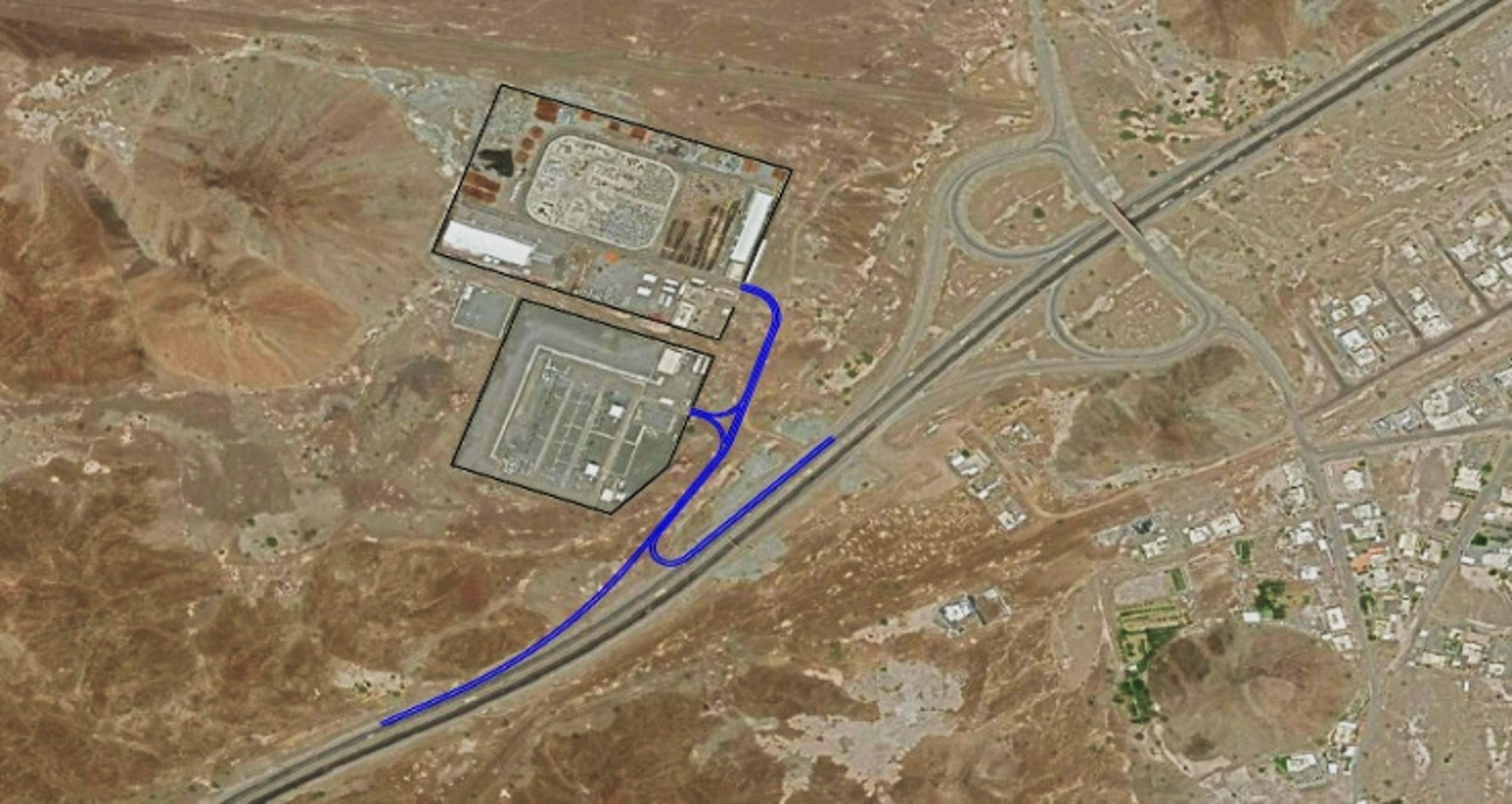
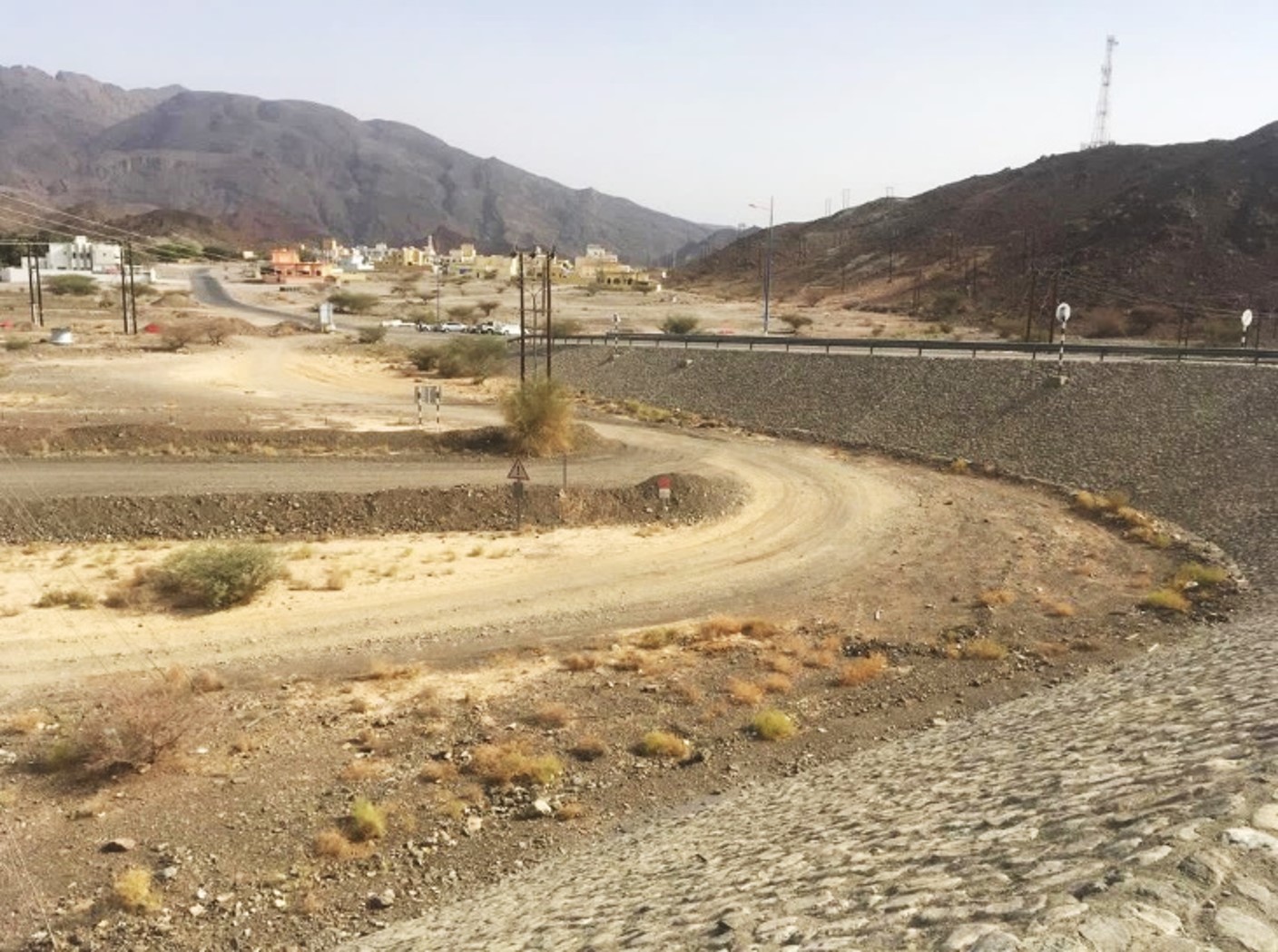
Axiom contributed to the Samail Access Roads project, which focused on the design, survey, and tender documentation for a 1.5 km access road linking the Samail office of Mazoon Electricity Company (MZEC) to Freeway No. 27. The project aimed to improve accessibility and provide a safe, efficient connection for employees, service vehicles, and the public.
The consultancy services included topographical surveys to support road alignment development, drainage considerations, and safety feature integration. The assignment also covered preparation of detailed tender documents to support construction quality, safety standards, and implementation readiness. By improving access to the MZEC facility, the project enhanced operational efficiency and contributed to regional transportation infrastructure and community connectivity.
Project Objectives:
- Topographical survey and site data collection
- Road alignment development
- Design of a 1.5 km access road
- Access alignment and safety measure development
- Support for smooth traffic flow and efficient site access
- Tender documentation preparation
Axiom contributed to the Ibra Access Roads project, which focused on the design and tender preparation for a 1.6 km intersection and access connection between the Ibra office of Mazoon Electricity Company (MZEC) and Main Road No. 16. The project aimed to enhance connectivity, improve traffic flow, and provide safer and more efficient access for employees, service vehicles, and the general public.
The consultancy services included detailed intersection design, road alignment development, traffic management considerations, and integration of safety features to support smooth vehicular movement. The assignment also included preparation of comprehensive tender documents outlining technical specifications and construction requirements, helping ensure efficient implementation and high-quality construction standards.
Project Objectives:
- Intersection layout and road alignment design
- Design of a 1.6 km access road
- Access alignment and safety measure development
- Support for smooth traffic flow and efficient site access
- Tender documentation preparation
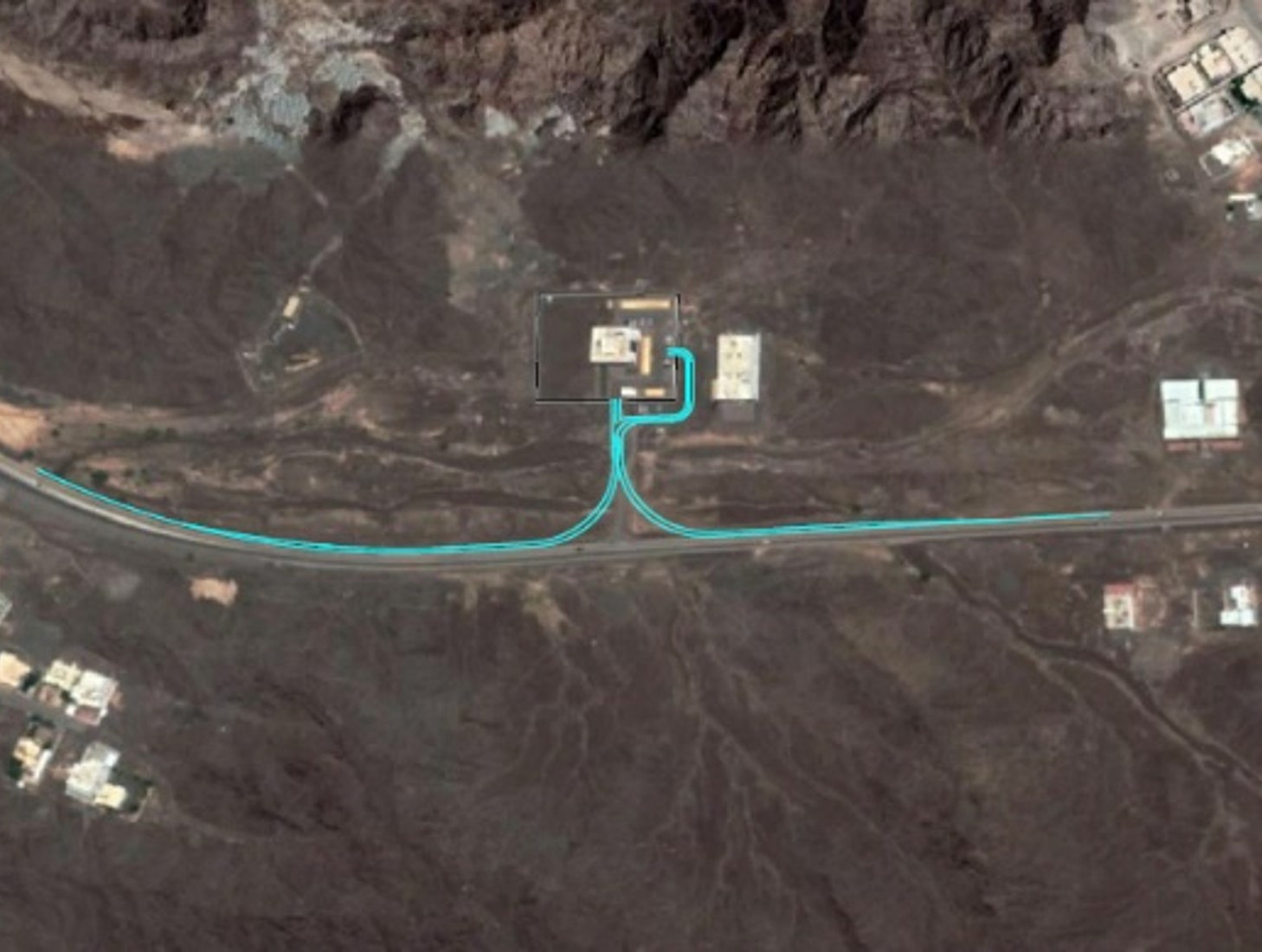
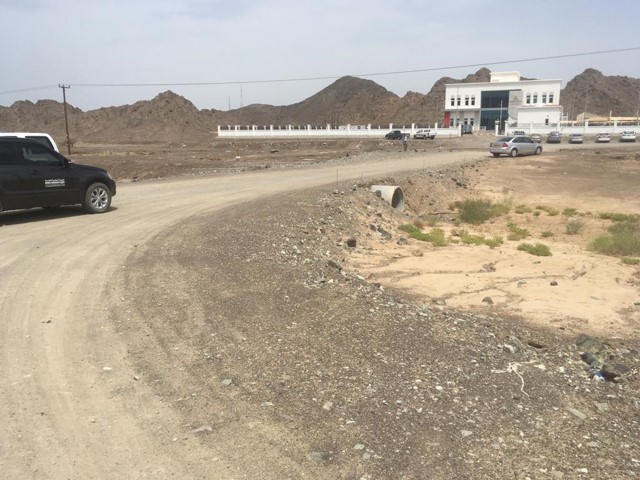
Axiom contributed to the Jalal Bani Bu Ali Access Roads project, which focused on the design, surveying, and tender preparation for a 0.9 km road access serving the Jalal Bani Bu Hasan office of Mazoon Electricity Company (MZEC) in Oman. The project aimed to improve connectivity and accessibility for employees, service vehicles, visitors, and operational traffic associated with the MZEC facility.
The scope included detailed road design to accommodate expected traffic needs, assessment of existing site conditions through surveying, development of a safe and functional access alignment, and preparation of tender documents defining the technical specifications and construction requirements. The project supported improved operational efficiency for MZEC and contributed to better local infrastructure connectivity in the Jalal Bani Bu Hasan area.
Project Objectives:
- Site surveying and existing-condition assessment
- Design of a 0.9 km access road
- Safety and operational accessibility review
- Access alignment and safety measure development
- Tender documentation preparation
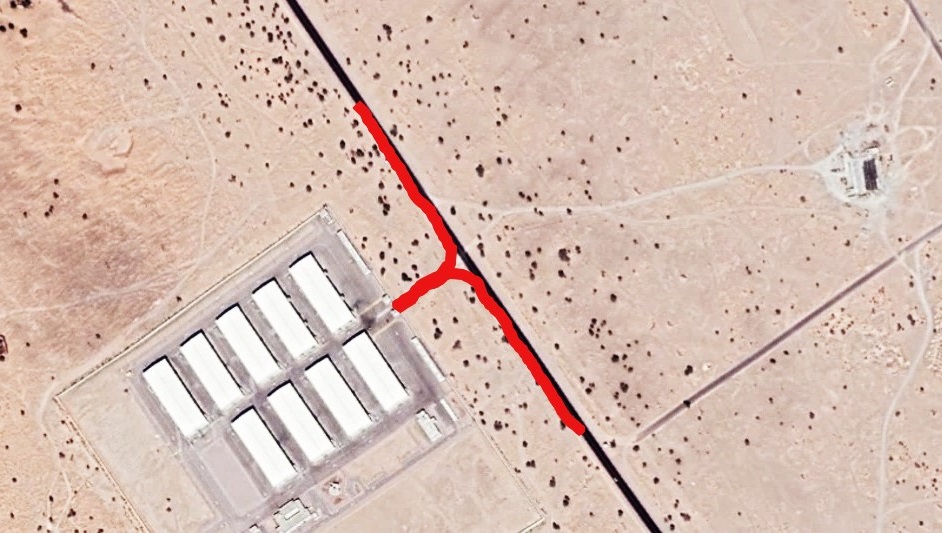
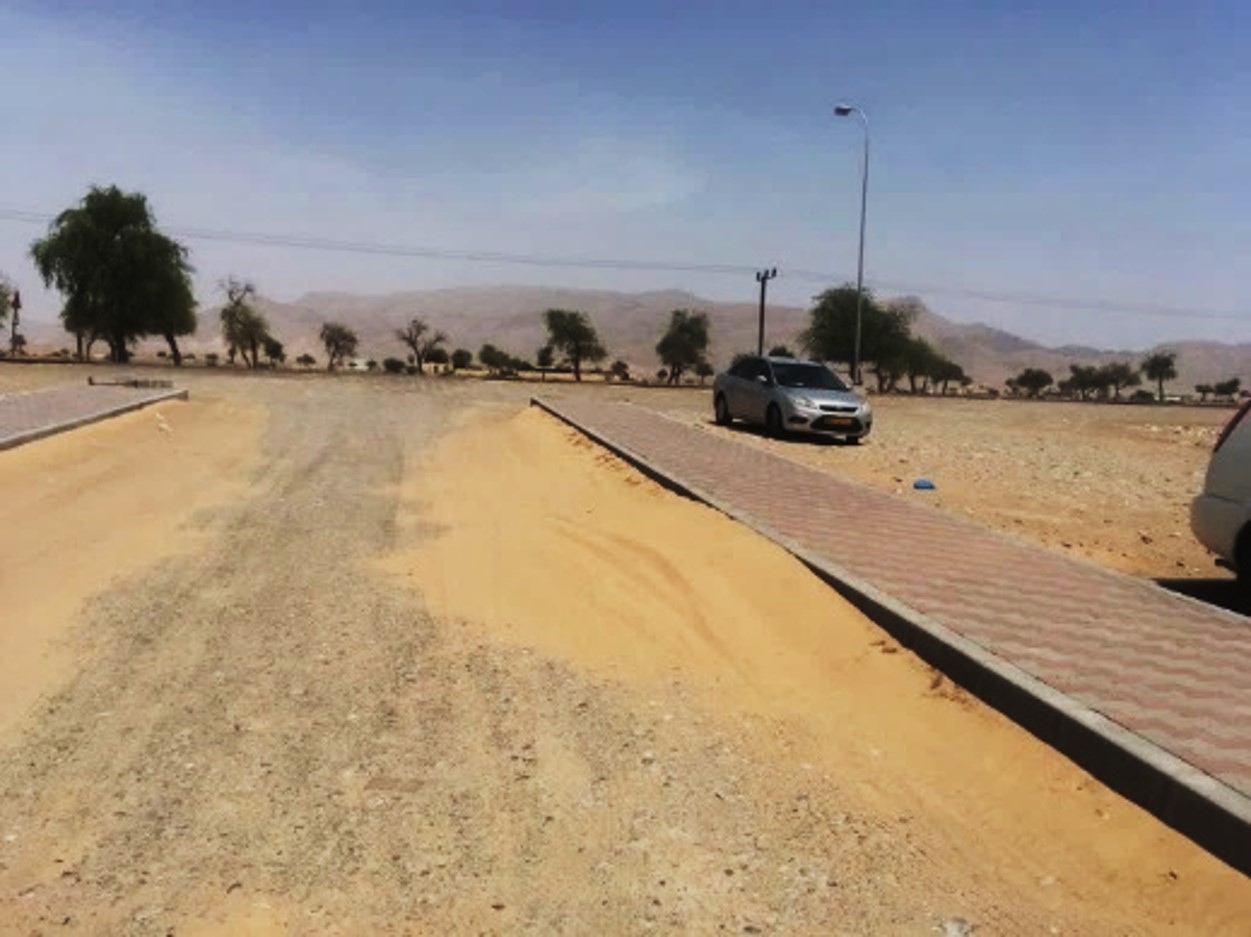
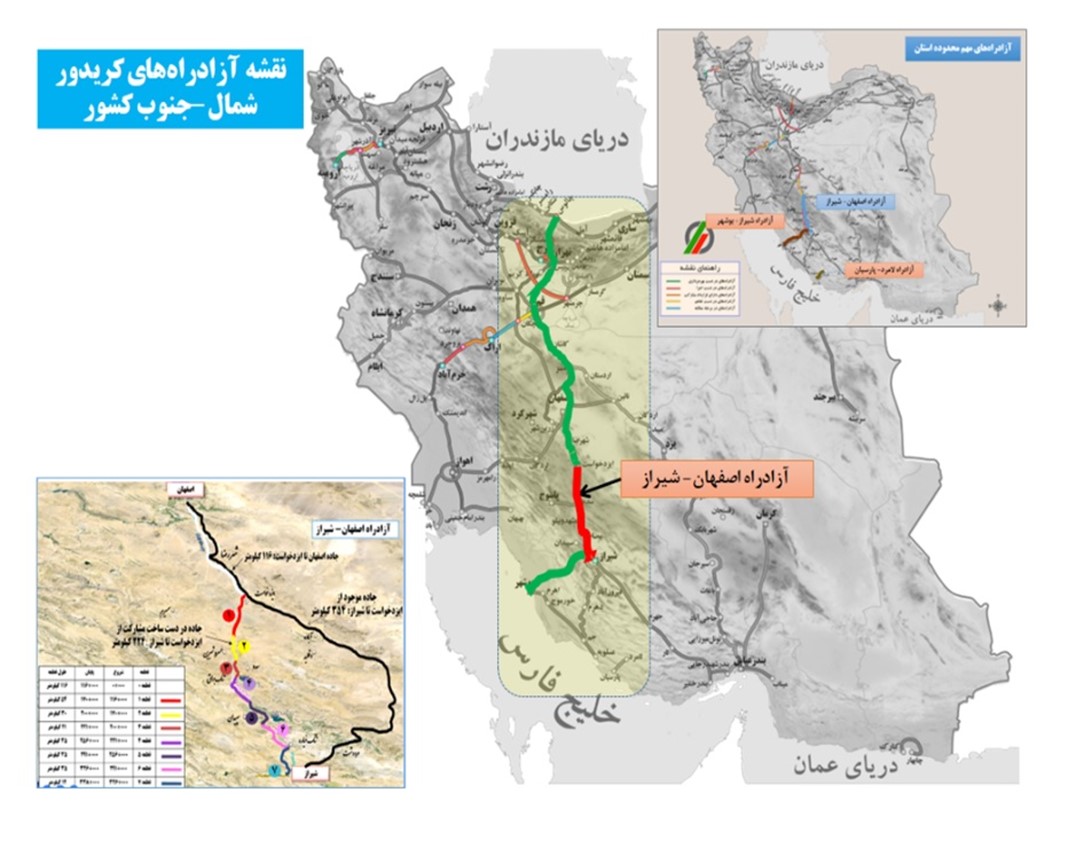
The Isfahan–Shiraz Highway is a major 110 km expressway corridor and a critical component of Iran’s North–South transit network. Designed to accommodate more than 40,000 vehicles per day, including a substantial share of commercial and freight traffic, the project supports high-capacity regional movement and long-distance logistics.
By replacing older and higher-risk arterial routes, the highway improves safety, reduces travel time, lowers fuel consumption, and enhances freight efficiency. The project strengthens connectivity between key economic and industrial regions, supports regional development, and contributes to a more reliable national transport network.
Project Objectives:
- Road preliminary Design
- Bridge design and structural coordination
- Road detailed design optimization
- Hydrology and hydraulic studies
- Drainage and flood-related design considerations
- Geotechnical assessment and protection design
- Construction-stage supervision and quality control support
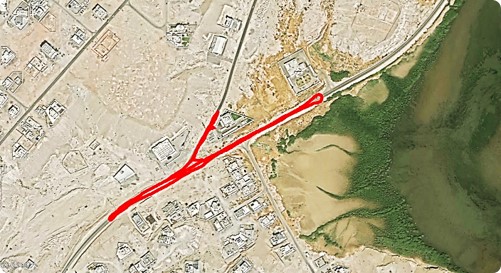
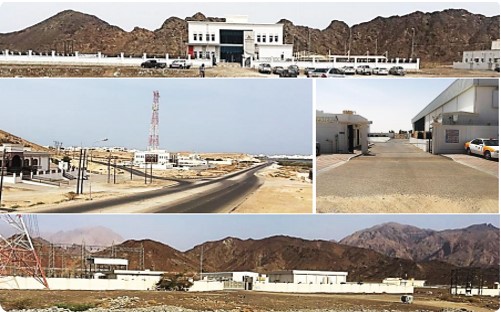
Axiom contributed to the Sur Access Roads project, which involved the design, surveying, and tender preparation for the intersection and widening/dualization of a 1.7 km coastal access road leading to the Sur office of Mazoon Electricity Company (MZEC) in Oman. The project aimed to improve access capacity, enhance traffic flow, and provide safer and more reliable connectivity for employees, service vehicles, visitors, and surrounding infrastructure users.
The scope included road widening and dualization planning, intersection design, field surveying, and preparation of tender documents to support construction implementation. By improving the coastal access road serving the MZEC office, the project supported operational efficiency, improved local accessibility, and contributed to safer transportation infrastructure in the Sur area.
Project Objectives:
- Intersection and widening/dualization design
- Design of a 1.7 km access road
- Field surveying and existing-condition assessment
- Safety and operational accessibility review
- Road capacity and traffic-flow improvement
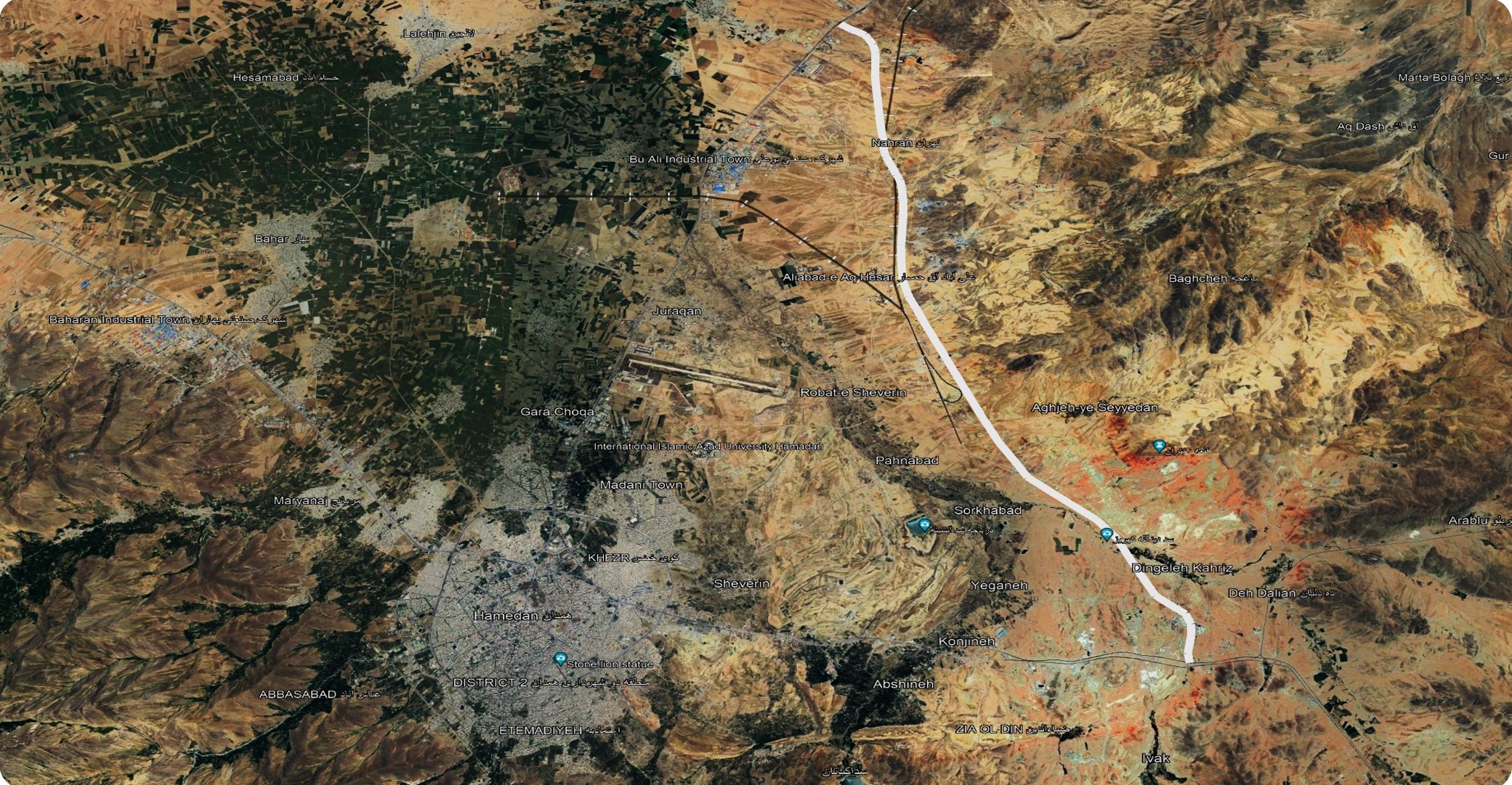
Axiom contributed to the Hamedan Eastern By-pass Design, a road design and supervision assignment for the Ministry of Road and Urban Development (MRUD) in Iran. The project involved the design and supervision of a 7 km bypass route developed to relieve traffic congestion in Hamedan by diverting through-traffic away from the city’s central areas.
The scope included comprehensive planning and engineering design for the bypass corridor, including road alignment, lane configuration, integration with existing infrastructure, traffic-flow improvement, and safety considerations. The project also included construction supervision to ensure compliance with the approved design, prescribed standards, and quality requirements. By improving regional connectivity and reducing pressure on central urban roads, the Hamedan Eastern By-pass supported better traffic management, reduced travel times, and enhanced road safety.
Project Objectives:
- Design and supervision of a 7 km bypass route
- Traffic diversion away from central Hamedan
- Road alignment and lane configuration design
- Hydrology and hydraulic studies
- Integration with existing road infrastructure
- Geotechnical assessment and protection design
- Coordination with MRUD during implementation
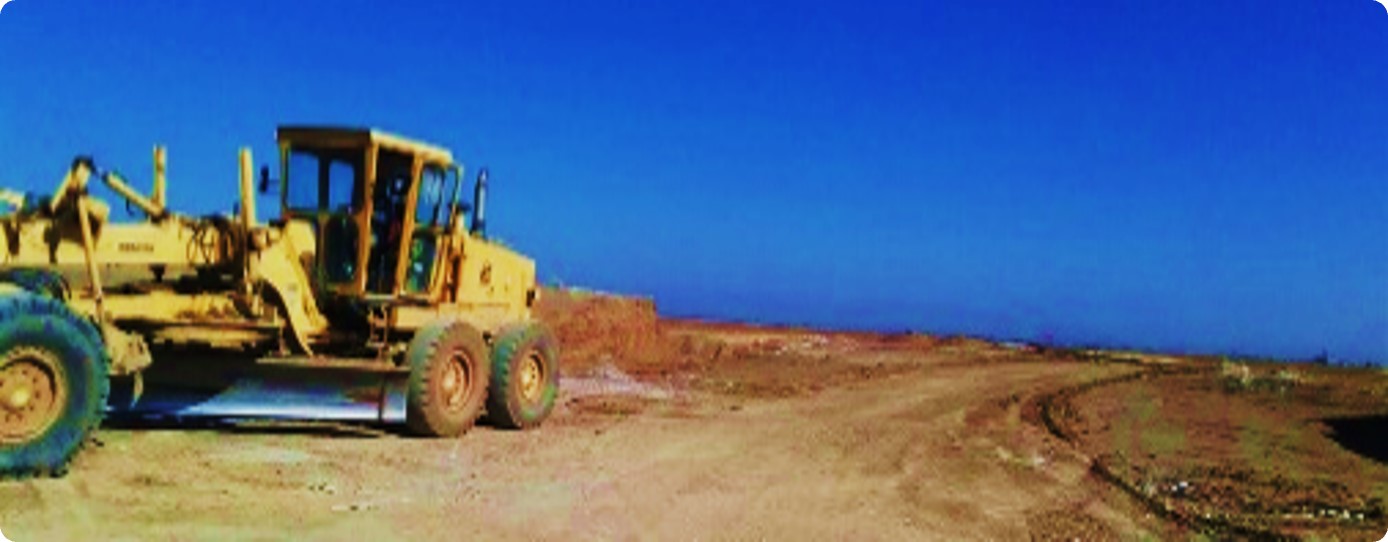
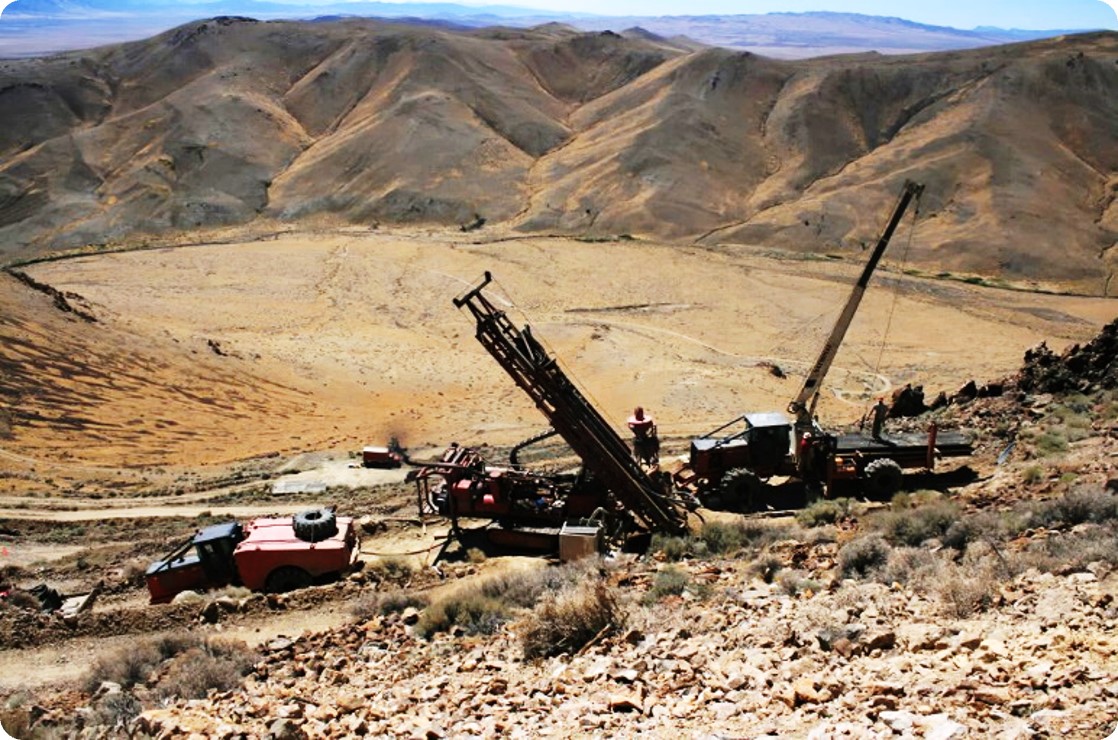
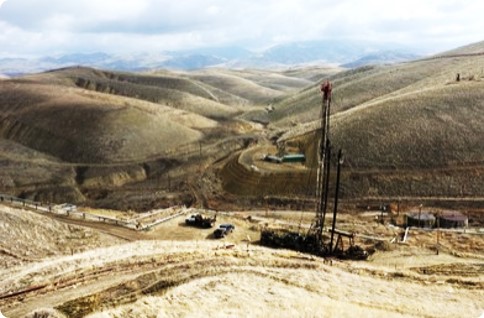
Axiom contributed to the Access Roads to the Oil and Gas Rigs project in Fars Governorate, Iran, a road design assignment for the Ministry of Oil. The project involved the design of a 75 km network of access roads to connect remote oil and gas rigs with existing road infrastructure, enabling reliable movement of personnel, equipment, and materials to and from drilling and operational sites.
The scope included detailed road design adapted to rugged terrain and the operational requirements of the oil and gas sector. The design process considered site conditions, optimal road alignments, heavy-vehicle access requirements, safety, durability, and long-term performance under demanding operating conditions. By improving access to remote energy-sector facilities, the project supported safer logistics, more efficient field operations, and reliable infrastructure connectivity for oil and gas activities in the region.
Project Objectives:
- Design of a 75 km access roads
- Connectivity for oil and gas rigs in Fars Governorate
- Integration with existing road infrastructure
- Alignment planning for rugged terrain
- Access design for personnel, equipment, and material transport
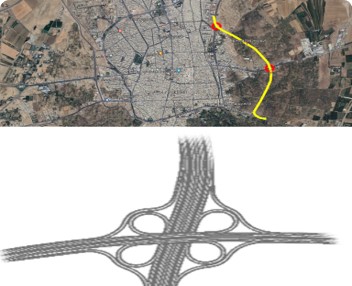
Axiom contributed to the Interchange Design on Freeways — Qazvin project, a freeway and ring-road infrastructure assignment for Qazvin Municipality. The project involved the design of an 11 km interchange on the Qazvin Western Ring Road, with the objective of improving connectivity between Qazvin and surrounding areas while integrating the ring road more effectively into the existing freeway network.
The scope included detailed planning and design of the interchange system, with attention to traffic demand, operational efficiency, safety standards, and regional development needs. The design aimed to improve traffic flow, reduce congestion, support smoother transitions between major roadways, and strengthen access and connectivity across the Qazvin region.
Project Objectives:
- Design of two 11 km interchanges
- Freeway and ring-road integration
- Field surveying and existing-condition assessment
- Geometric layout and interchange configuration
- Hydrology and hydraulic studies
- Geotechnical assessment and protection design
- Bridge design
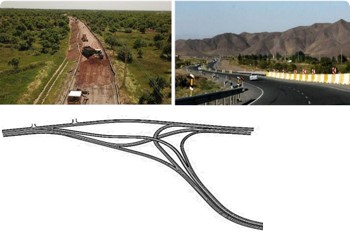
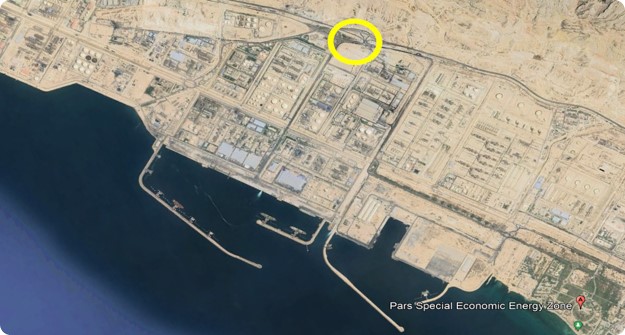
Axiom contributed to the Interchange Design on Freeways — Bushehr project, a freeway and industrial-zone access infrastructure assignment for the Ministry of Oil. The project involved the design of a 3.8 km interchange serving the Pars Special Economic Energy Zone (PSEEZ) in Bushehr, with the objective of improving access between the PSEEZ peripheral roads and the main freeway network.
The scope included traffic analysis, geometric design, and integration of the interchange with existing road infrastructure. The design aimed to support smooth traffic movement, reduce congestion, improve operational efficiency, and enhance safety while facilitating reliable access to one of Iran’s key industrial and energy zones. By improving connectivity to the PSEEZ, the project supported regional economic development and the movement of industrial, service, and logistics traffic.
Project Objectives:
- Design of a 3.8 km interchange
- Traffic analysis and operational-efficiency review
- Field surveying and existing-condition assessment
- Geometric layout & interchange configuration design
- Access improvement for Pars Special Economic Energy Zone (PSEEZ)
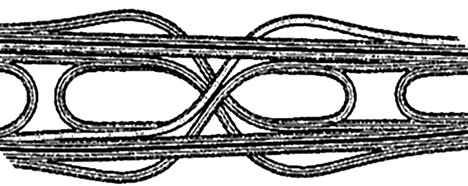
Axiom contributed to the Interchange Design on Freeways — Kermanshah project, a regional road and interchange design assignment for the Ministry of Road and Urban Development (MRUD). The project involved the design of the Qazanchi Interchange, a 4.5 km interchange located on the Kermanshah–Kamiaran Road, with the objective of improving connectivity between the Kermanshah region and the Kamiaran area.
The scope included detailed design activities covering traffic analysis, geometric layout development, and integration of the interchange with the existing road system. The design considered existing traffic patterns, anticipated future growth, safety requirements, and operational efficiency. By enabling smoother transitions between major roadways, the project supported improved regional accessibility, reduced congestion, safer movements, and stronger connectivity for local development and economic activity.
Project Objectives:
- Design of a 4.5 km interchange
- Traffic analysis and operational-efficiency review
- Field surveying and existing-condition assessment
- Geometric layout and interchange configuration
- Hydrology and hydraulic studies
- Geotechnical assessment and protection design
- Bridge design
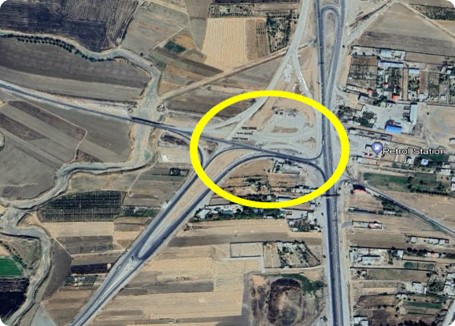
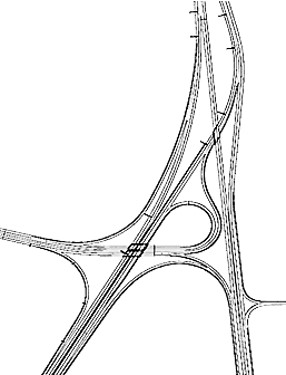
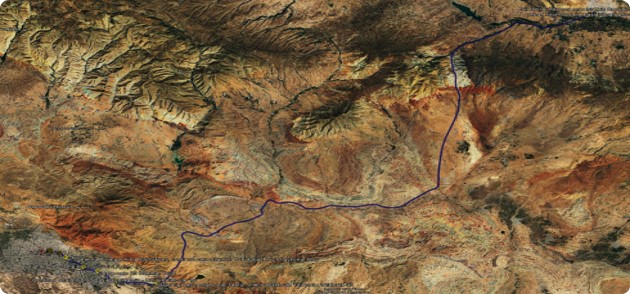
Axiom contributed to the Interchange Design on Freeways — Azerbaijan project, a major freeway design and supervision assignment for the Ministry of Road and Urban Development (MRUD) in Iran. The project involved the design and supervision of the 72 km Ahar–Tabriz Freeway, developed to improve connectivity between the cities of Ahar and Tabriz and strengthen regional transportation links in the Azerbaijan region of Iran.
The consultancy services included detailed design activities to ensure efficient traffic flow, safe interchange operations, and compliance with engineering and safety standards. The work also included construction supervision to monitor implementation, verify compliance with design specifications, and support quality-control procedures. By improving freeway connectivity and interchange performance, the project supported safer travel, improved mobility, shorter travel times, and regional economic development.
Project Objectives:
- Design and supervision of the 72 km freeway
- Interchange design for key freeway nodes
- Freeway alignment and geometric design support
- Bridge design
- Hydrology and hydraulic studies
- Construction supervision and quality-control monitoring
Related Content
Reach Out To Us
Are you looking for more information or curious about how we can support you? Click the button below to get in touch – we’re here to help!